

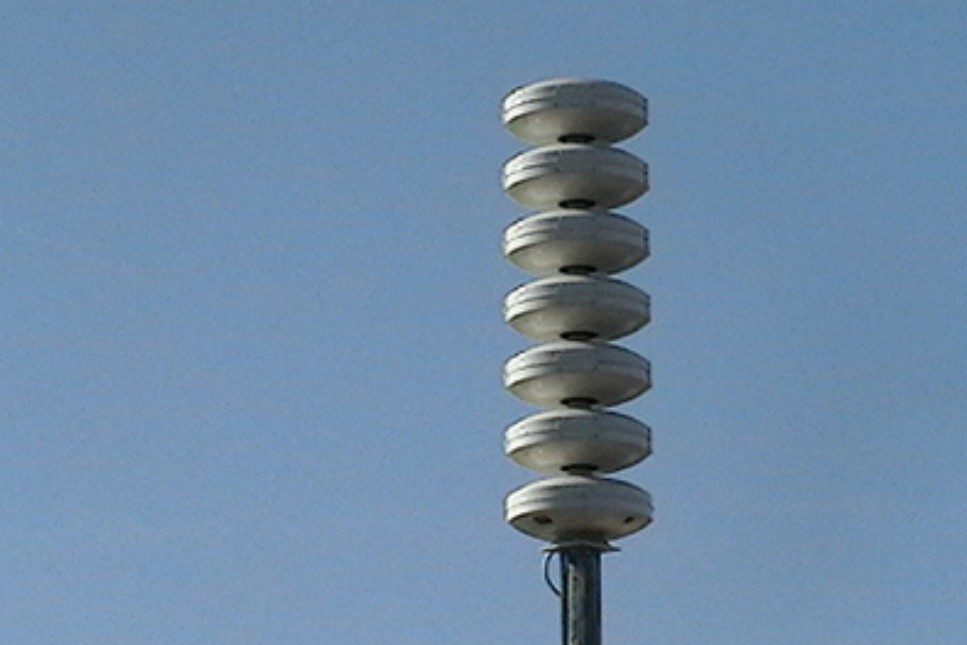
When emergency sirens sound amid regional tensions, knowing exactly how to react can mean the difference between safety and danger. Whether you are sheltering at home, commuting on public transport, or caught out in the open, taking immediate, decisive action is critical for survival. This comprehensive safety guide outlines step-by-step emergency protocols—including indoor shelter rules, public transport evacuations, open-area positioning, and strict security laws regarding media restrictions—to help you protect yourself and your family during a crisis.
1. If you are Indoor
- Find the safest room: If you cannot get to a basement, go to the innermost room of your home, such as a windowless hallway, a walk-in closet, or a small bathroom. Being behind two or more solid walls keeps you much safer from outside debris and shockwaves.
- Stay away from glass: Windows, glass doors, and large mirrors will shatter into dangerous, high-speed pieces during a blast. Never stand or shelter near them. If you have extra time, place heavy blankets or tape over glass windows to help stop them from scattering everywhere.
- Use the stairs, not the elevator: If you live in an apartment complex or a tall building, always use the stairs to change floors. Elevators can easily get stuck between floors if the building loses power or suffers structural shifts.
- Turn off gas and power: If you have a few moments before sheltering, turn off your home’s main gas valve and electrical breaker. This simple step helps prevent dangerous secondary fires or electrical shorts if the building is impacted.
- Close all openings: Shut all windows, exterior doors, and ventilation flaps tightly to help block smoke, dust, or chemical irritants from drifting easily into your living space.
2. If you are Outdoor
- Get inside a building: Move quickly and calmly into the nearest sturdy building, reinforced public shelter, commercial lobby, or underground passage.
- Protect your head and body: Keep your mouth open slightly so the loud concussive noise and sudden air pressure changes do not rupture your eardrums or damage your lungs. Put your hands behind your neck to shield your head, and keep your elbows tucked tightly against your ribs.
- Wear a dust mask: If there is thick smoke, heavy dust, or broken building materials filling the air outside, put on an N95 mask or cloth covering over your nose and mouth to avoid breathing in harmful particles.
- Avoid crowds and bottlenecks: Stay clear of narrow alleyways or doorways where people might crush together in a panic. Find a clear, steady path toward safety.
3. If you are On Road
- Pull over safely: Safely guide your car over to the side of the road, steering clear of tall buildings, concrete overpasses, bridges, power lines, and gas stations which pose a high collapse risk.
- Get out of the car: Turn off the ignition, grab your essentials, and get out immediately. A metal car body offers very little protection against serious blasts or falling debris, so finding a real building is always better.
- Expect traffic and phone issues: Roadways will quickly clog with panicked drivers, and cellular networks will jam from heavy traffic. Stay patient, keep your car doors unlocked if you are temporarily stuck in traffic, and remain alert to your surroundings.
4. If you In Open Area
- Drop to the ground: If you are caught out in the open with no buildings or cars within a short sprinting distance, hit the ground right away.
- Find a low spot: Look around quickly for a natural depression, ditch, trench, or downward slope and lie down flat on your stomach.
- Cover vulnerable areas: Keep your chest slightly elevated off the ground to help absorb and deflect direct shockwaves. Keep your mouth slightly open, press your heels together, and interlock your fingers securely behind your neck to protect your skull and spine.
- Avoid trees and light poles: Never lie down directly under tall trees, billboards, or metal light posts, as these can easily snap or fall over during severe winds or explosions.
5. If you are at Work or School
- Follow designated staff: Listen immediately and strictly follow instructions from floor wardens, security guards, or teachers who are specifically trained to guide people to safe areas.
- Know your shelter zones: Familiarize yourself with your building’s emergency layout, map out stairwells, and locate designated interior rooms ahead of time so you never waste precious seconds searching during a crisis.
- Leave heavy items behind: Drop backpacks, laptops, large purses, and shopping bags. Do not waste valuable time trying to gather personal belongings when the alarm sounds.
6. Communication & Phones
- Use text messages only: Cellular networks will overload almost instantly from thousands of simultaneous calls. Send short text messages or use offline local mesh-messaging apps instead of trying to make voice calls, as text packets squeeze through congested networks much easier.
- Keep your phone charged: Conserve your battery power immediately by turning down your screen brightness, closing all background apps, and switching to low-power mode.
- Limit social media scrolling: Avoid streaming video or heavy data browsing to preserve network bandwidth for emergency services and critical communication lines.
8. After the Sirens (All-Clear Phase)
- Wait before coming out: Just because the outdoor sirens stop turning does not mean the danger has passed. Adopt a strict waiting window of at least 10 minutes before opening doors or stepping outside, because secondary strikes or incoming shockwaves can easily follow.
- Check on neighbors quietly: Once it is officially confirmed safe, check on elderly or vulnerable neighbors in your building to see if they need medical assistance, water, or shelter.
9. Media & Security Restrictions (Strict No-Photo/No-Video Policy)
- Total Prohibition on Recording: It is strictly forbidden to take photographs, record videos, stream live feeds, or use digital cameras when emergency sirens sound or during an ongoing security event.
- Operational Security Risks: Capturing or sharing visual media can unintentionally expose military positions, emergency response movements, defensive measures, or the exact impact locations of threats, which compromises public safety and local defense operations.
- Prohibition on Social Media Posting: Do not upload photos, status updates, or videos of ongoing incidents, sirens, smoke plumes, or structural damage to social media platforms, messaging apps, or public forums.
- Risk of Legal Penalties: Authorities treat unauthorized documentation and sharing of security-related events as a serious violation. Doing so can lead to immediate detention, confiscation of your devices, or heavy legal penalties under emergency security laws.
- Avoid Flash Photography and Lights: Even inside a shelter or your home, keep your phone screens dimmed and turn off camera flashes. Bright lights near windows or doorways can draw unwanted attention or violate blackout protocols.
Important Links & Tools
Jobs in Kuwait
Browse latest Jobs in Kuwait
Events in Kuwait
Explore latest happenings & activities
Visa Checker
Instant status Assessment
Indemnity Calculator
Calculate your end-of-service
Live Gold Rate
Kuwait gold tracker & prices
Kuwait Quiz
Test your local knowledge
Age Detector
Find out your digital age
Kuwait Cost of Living
Manage your monthly budget
Kuwait Loan Calculator
Plan your repayments
Driving & Bike License
Complete guide to licensing
- Riyadh missile alert: coalition says threat destroyed

- Real facts about Two Bangladeshis Executed in Makkah, avoid rumors.

- Iran claims 54th US drone shot down over Hormuz

- Schools ban photos of kids

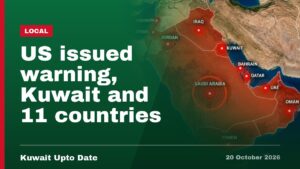
- US issued warning, Kuwait and 11 countries
- 1000 KD fine for marriage without premarital course

- Kuwait orders 10-day detention for 22 who found partial naked in women dancewear.

- Who is Kajal Libi, the Kuwait expat now a Miss Kerala finalist?

- Kuwait court gives death sentence to expat in heroin trafficking case

- Best Bank for a Loan in Kuwait 2026: Every Bank Compared

- Kuwait cuts fresh water to Hawally, Jabriya, Bayan on Wednesday

- Video Interview – Flydubai Captain Recalls Axe Attack by Co-Pilot Mid-Flight

- Unusual Egypt marriage request: one dowry, two brides

- Indian patient dies after mid-air scare on air ambulance to Kolkata
- ** New Rule – If you drive car of someone else then you will be responsible of all traffic fines.
- Kuwait’s ‘Report Me’ Service Now Covers if Mandoob ask you for excess money.

📌 Related stories



Latest News
 International
Riyadh missile alert: coalition says threat destroyed
International
Riyadh missile alert: coalition says threat destroyed
 2
International Real facts about Two Bangladeshis Executed in Makkah, avoid rumors.
Read more →
2
International Real facts about Two Bangladeshis Executed in Makkah, avoid rumors.
Read more →
 3
International Iran claims 54th US drone shot down over Hormuz
Read more →
3
International Iran claims 54th US drone shot down over Hormuz
Read more →
 4
International Schools ban photos of kids
Read more →
4
International Schools ban photos of kids
Read more →
 5
Local Kuwait court gives death sentence to expat in heroin trafficking case
Read more →
5
Local Kuwait court gives death sentence to expat in heroin trafficking case
Read more →
 6
Local Best Bank for a Loan in Kuwait 2026: Every Bank Compared
Read more →
6
Local Best Bank for a Loan in Kuwait 2026: Every Bank Compared
Read more →
 7
Local Kuwait cuts fresh water to Hawally, Jabriya, Bayan on Wednesday
Read more →
7
Local Kuwait cuts fresh water to Hawally, Jabriya, Bayan on Wednesday
Read more →
 8
International Video Interview – Flydubai Captain Recalls Axe Attack by Co-Pilot Mid-Flight
Read more →
8
International Video Interview – Flydubai Captain Recalls Axe Attack by Co-Pilot Mid-Flight
Read more →
 9
International Unusual Egypt marriage request: one dowry, two brides
Read more →
9
International Unusual Egypt marriage request: one dowry, two brides
Read more →
 10
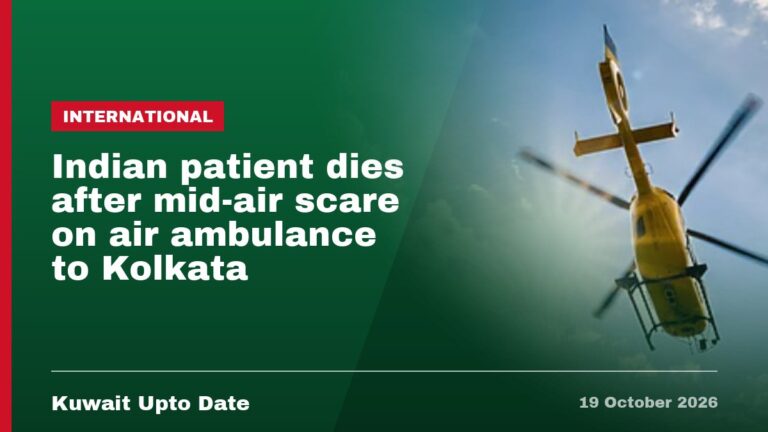
International Indian patient dies after mid-air scare on air ambulance to Kolkata
Read more →
10
International Indian patient dies after mid-air scare on air ambulance to Kolkata
Read more →
 11
Local ** New Rule – If you drive car of someone else then you will be responsible of all traffic fines.
Read more →
11
Local ** New Rule – If you drive car of someone else then you will be responsible of all traffic fines.
Read more →
 12
Local Kuwait’s ‘Report Me’ Service Now Covers if Mandoob ask you for excess money.
Read more →
12
Local Kuwait’s ‘Report Me’ Service Now Covers if Mandoob ask you for excess money.
Read more →
 13
International Bangladesh says Saudi executed two Bangladeshi without notice
Read more →
13
International Bangladesh says Saudi executed two Bangladeshi without notice
Read more →
 14
Local Kuwait warns public over phone and SIM resale cash schemes
Read more →
14
Local Kuwait warns public over phone and SIM resale cash schemes
Read more →
 15
International Baby born on Jazeera flight from Kuwait to Colombo
Read more →
15
International Baby born on Jazeera flight from Kuwait to Colombo
Read more →
Comments
6 responses to “What to Do When Sirens Sound: Comprehensive Safety and Survival Guide”
This piece stands out for its thoughtful analysis and its ability to translate complex information into actionable understanding.
An inspiring project that puts student well-being, teacher sanity, and school efficiency on an equal playing field. Highly recommended!
I do not even understand how I ended up here, but I assumed this publish used to be great
There is definately a lot to find out about this subject. I like all the points you made
I really like reading through a post that can make men and women think. Also, thank you for allowing me to comment!
Your observation is meaningful and well articulated.