

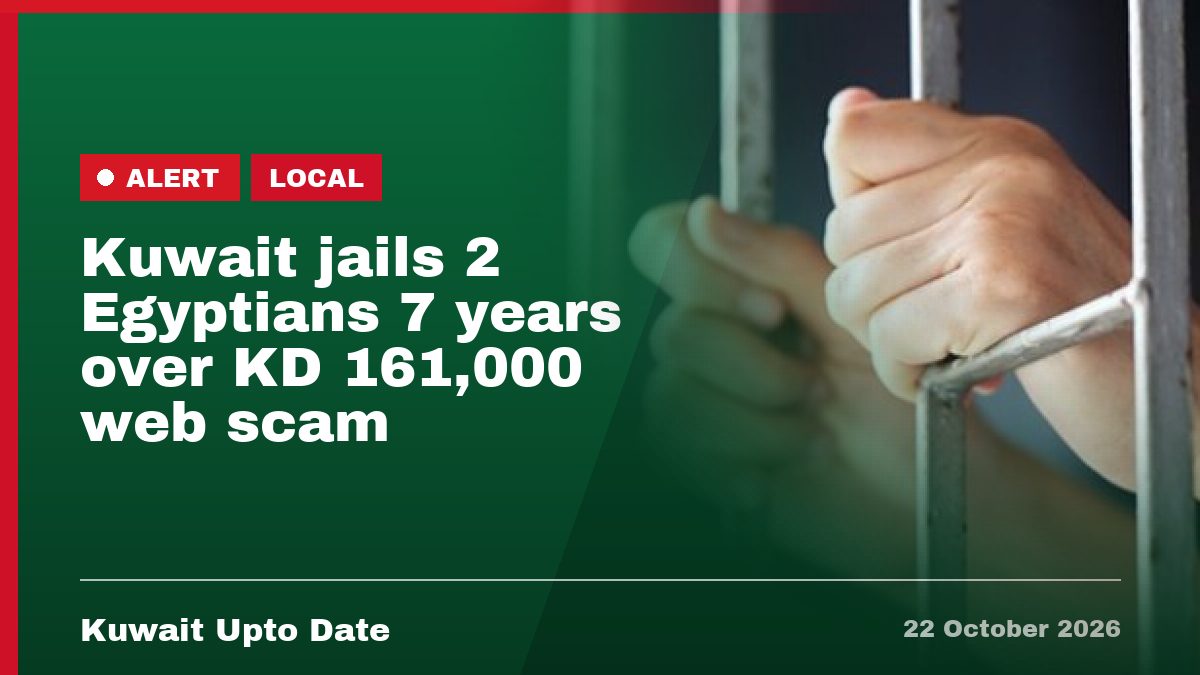
Two men walked out of a Kuwait courtroom this week with a 7-year prison sentence each, a fine of KD 5,520 apiece, and a case file that traced back to small, almost invisible bank transfers people barely noticed leaving their accounts.
That’s how this story ends. But it started quietly, with fake websites that looked just real enough to fool people into typing in their card details.
This isn’t the first time Kuwait’s courts have dealt with online money schemes this year. Our site has covered a visa approval scam that wiped out a bank balance and an online shopping scam that cost a Kuwait shopper 200 dinars. This latest case, though, is bigger in scale and involved a more organised setup.
- Kuwait’s Criminal Court sentenced two Egyptian nationals to 7 years in prison each, plus a KD 5,520 fine each.
- Two companies linked to the scheme were fined KD 50,000 each, and the court ordered confiscation of the funds involved.
- Total fines across the two men and two companies reached KD 111,040, on top of the confiscated money.
- The case is believed to involve around KD 161,000 taken from victims through fake telecom and government websites.
How the scheme actually worked
According to investigators from the General Department for Combating Economic Crimes, an unidentified person built fake websites made to look like real telecommunications companies and government bodies. These sites were promoted through attractive adverts on social media, the kind many of us scroll past every day.
Victims were allegedly tricked into making payments through bank transactions under KD 25. That amount matters: transfers below that threshold didn’t need a verification code at the time, so victims never got a second chance to notice something was wrong before their money left their account.
The payments went through the websites and payment links of two companies named in the case. From there, investigators say the money was moved out of Kuwait. The group allegedly used the two companies, along with cryptocurrency platforms and apps operating in Egypt, to shift the funds and avoid scrutiny from Egypt’s Central Bank.
Why some victims got their money back
Here’s the part that adds a twist to the story. Investigators found that whoever ran the scheme allegedly arranged for some victims who complained to get partial refunds.
The refunds weren’t generosity. They were reportedly a way to make the companies look clean, so that anyone checking the books would assume the business was legitimate and the complaints were isolated mistakes.
On top of that, the investigation uncovered falsified shipping documents, manipulated prices, and the use of fictitious addresses, all designed to give the fraudulent transactions a legitimate paper trail.
Who was cleared, and who wasn’t
The court, led by Judge Al-Duwaihi Al-Duwaihi with Judges Bader Al-Shihab and Ibrahim Khuraibet, and court secretary Mohammed Malallah, acquitted a Kuwaiti citizen and another Egyptian national who had also faced charges in the same case.
The ruling also ordered that the judgment be published in Kuwait’s Official Gazette, which is standard for cases involving financial crimes of this size.
What this means if you live in Kuwait
This case is a useful example for anyone who shops, pays bills, or applies for services online in Kuwait, whether you’re a citizen or an expat. Scammers don’t always need to steal a large sum in one go. Small transactions under KD 25, the kind that don’t ask for extra verification, can add up fast across many victims.
If you’ve recently clicked on an advert for a telecom top-up, a government fee, or a renewal service, it’s worth checking the website address carefully. Real government and telecom sites don’t usually appear through flashy social media ads.
We’ve also seen Kuwait’s authorities warn people about related money schemes, including a warning over phone and SIM resale cash schemes. Taken together, these cases point to the same pattern: criminals using everyday digital habits, small payments, phone numbers, SIM cards, against people who are just trying to get something done quickly online.
Kuwait’s courts have been active on financial and cyber-related cases in recent weeks. A separate case saw a Kuwait court jail 8 expats for money laundering, and another resulted in five people jailed over social media cases, a reminder that resharing or engaging with suspicious financial posts online can carry real legal risk. You can follow more of these rulings in our local news coverage.
Quick answers
How much money was involved in total?
The case is reported to involve about KD 161,000 taken from victims through the fake websites.
Were all the suspects found guilty?
No. The court acquitted a Kuwaiti citizen and another Egyptian national who were also charged in the case.
What happens to the confiscated money?
The court ordered the confiscation of the funds linked to the scheme, separate from the fines imposed on the two convicted men and the two companies.
If something online looks too easy, a quick top-up, a fast refund, a shortcut through a government fee, it’s worth pausing before you pay. Have you ever come across a website that looked almost right but wasn’t? It’s worth telling others in the comments.
📌 Related stories



Latest News
 Local
Kuwait suspend the license of 2,000 companies
 2
Local Kuwait frees prisoners under Amiri pardon.
Read more →
 3
Local Sahel app adds lost passport service for Kuwait expats
Read more →
 4
Local Kuwait studies cap on workers of one nationality per firm
Read more →
 5
Local Video – Kuwait traffic police step up checks on delivery riders
Read more →
 6
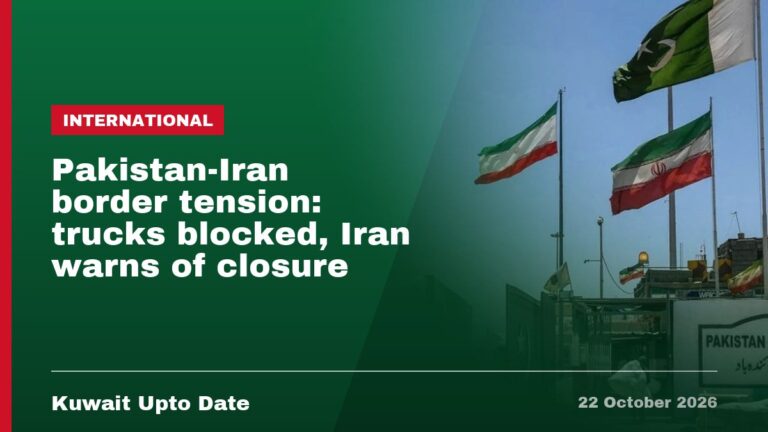
International Pakistan-Iran border tension: trucks blocked, Iran warns of closure
Read more →
 7
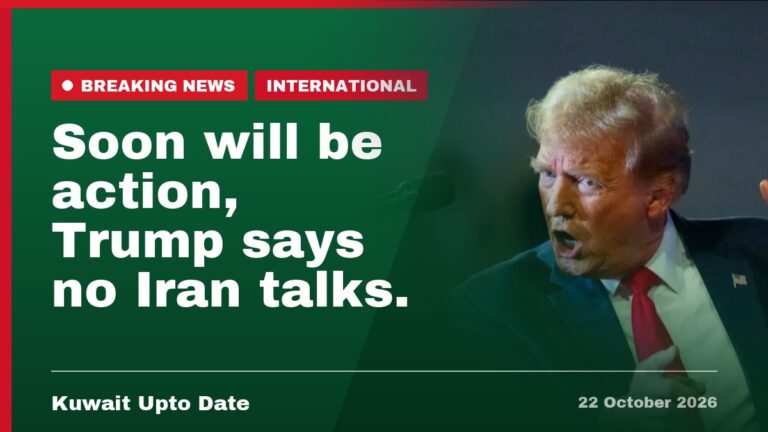
International Soon will be action, Trump says no Iran talks.
Read more →
 8
International Dammam’s King Fahd Airport under attack
Read more →
 9
International ‘White creature’ story meets heavy doubt in region
Read more →
 10
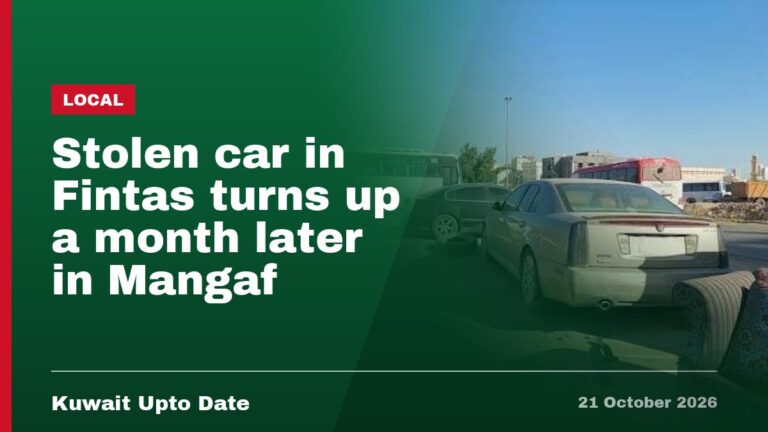
Local Stolen car in Fintas turns up a month later in Mangaf
Read more →
 11
International Two killed as Saudi forces intercept drone near Aramco oil field, one Pakistani & Indian injured.
Read more →
 12
International Why is the US evacuating diplomats and their families from Saudi Arabia now?
Read more →
 13
Local Kuwait to shut files of companies that don’t pay salaries to workers on time
Read more →
 14
International Pakistan and Lithuania easing visas for travel
Read more →
 15
Local Kuwait names 11 spots for 2026-2027 camping season
Read more →
Leave a Reply