
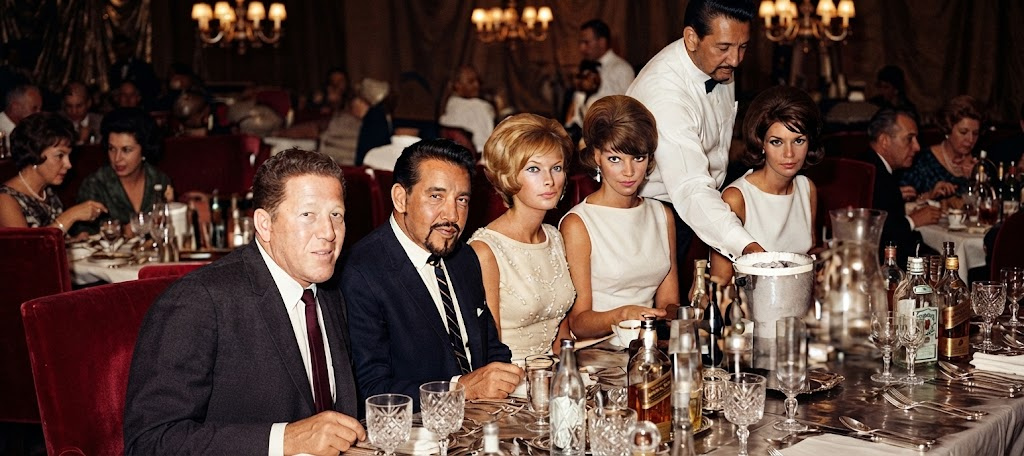
When thinking about the modern Middle East, countries like Kuwait evoke images of serene conservatism, deeply rooted traditions, and vibrant, family-oriented contemporary cities. However, step back half a century to the 1970s, and you will encounter a completely different chapter of history.
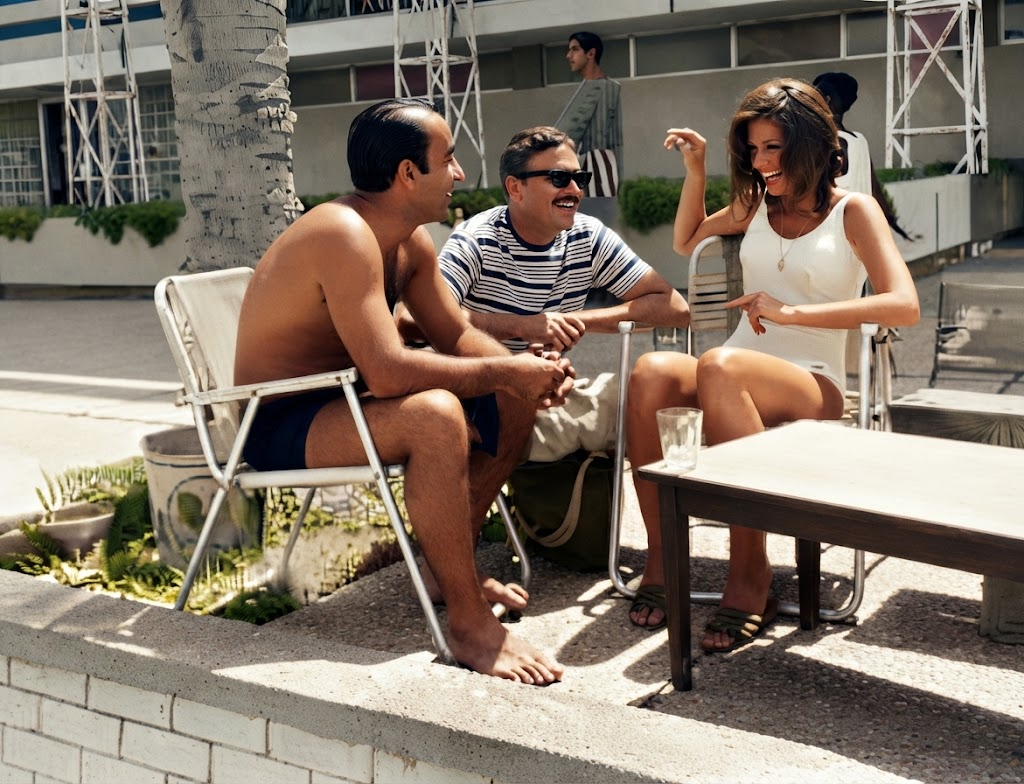
During this golden era, fueled by the rapid economic surge of the oil boom, Kuwait was widely celebrated as the “Hollywood of the Gulf.” It stood as a beacon of progressive cultural norms, international commerce, and lifestyle modernization. At the heart of this vibrant society was an extraordinary social scene defined by seaside clubs, live music, and cosmopolitan freedom.
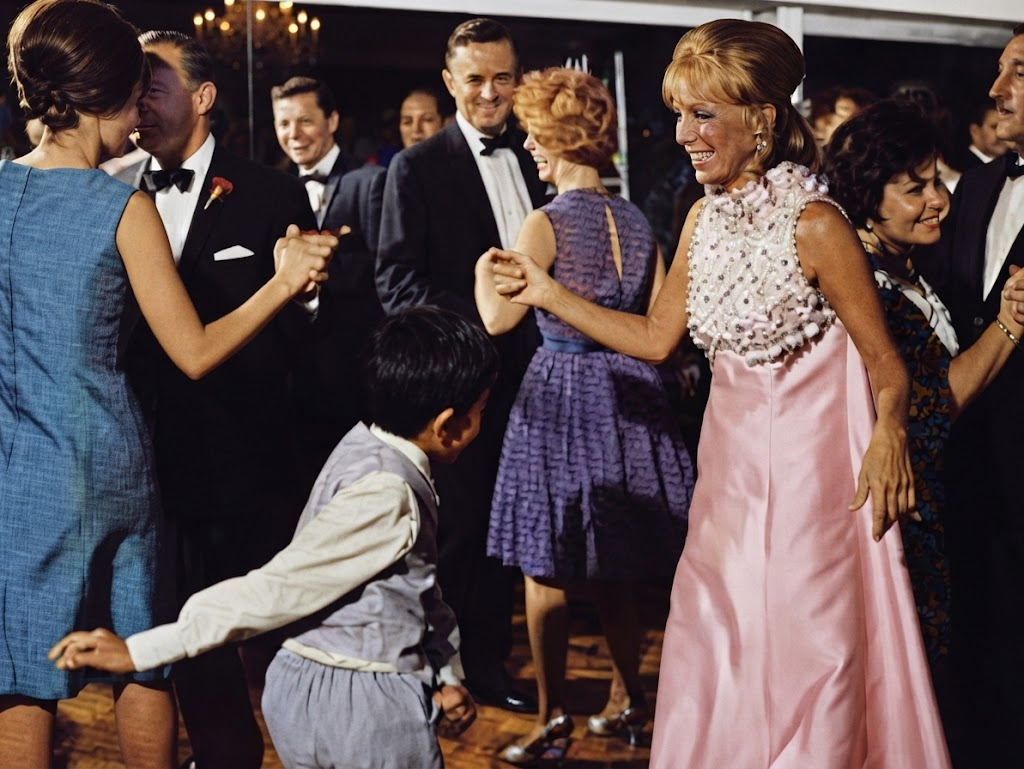
The Golden Era: Kuwait in the 1970s
In the 1970s, Kuwait City and its surrounding coastal suburbs were a melting pot of ambition and style. Engineers, doctors, diplomats, and business professionals from Europe, North America, and across the Arab world flocked to the country.
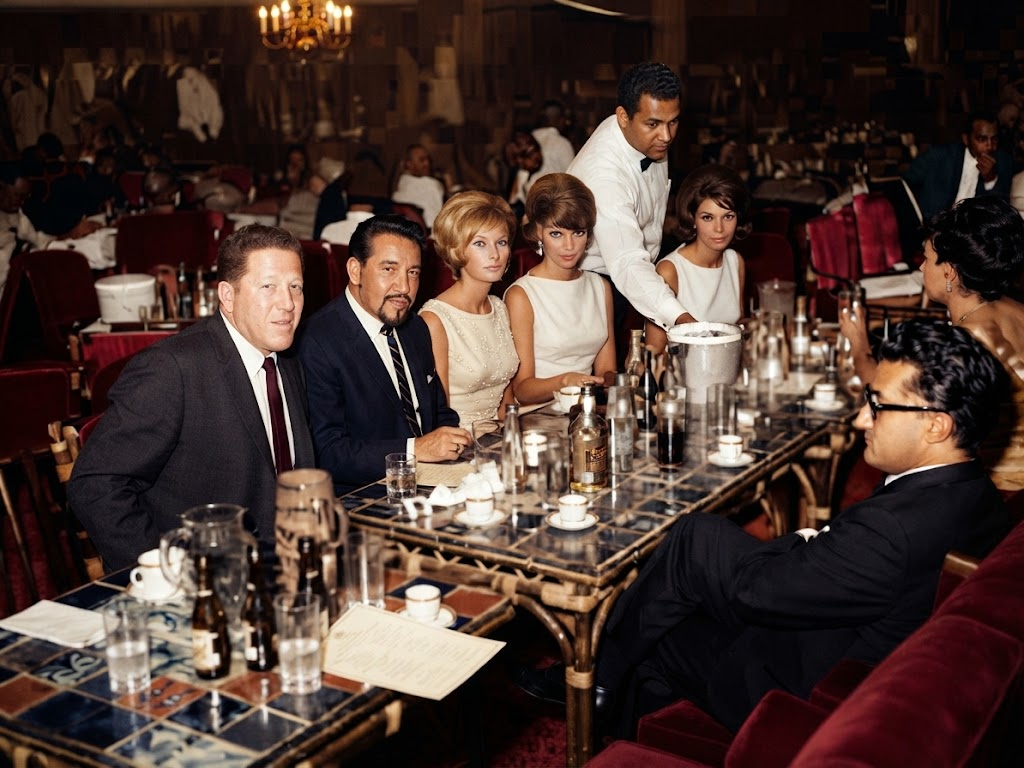
Streets like Fahd Al-Salem buzzed with global fashion trends. Bell-bottoms, wide-collared shirts, mod dresses, and oversized sunglasses were regular sights. The nation was embracing color television broadcasting, pioneering regional arts, and establishing a thriving social infrastructure that blended traditional hospitality with modern Western leisure.
The Gazelle Club: A Coastal Paradise in Abu Halifa
Nestled right on the pristine waters of the Arabian Gulf in Abu Halifa, The Gazelle Club was much more than a recreational facility—it was an iconic institution. Owned by prominent local families and frequented by a diverse membership base, the club offered an idyllic escape from the pressures of work and city life.
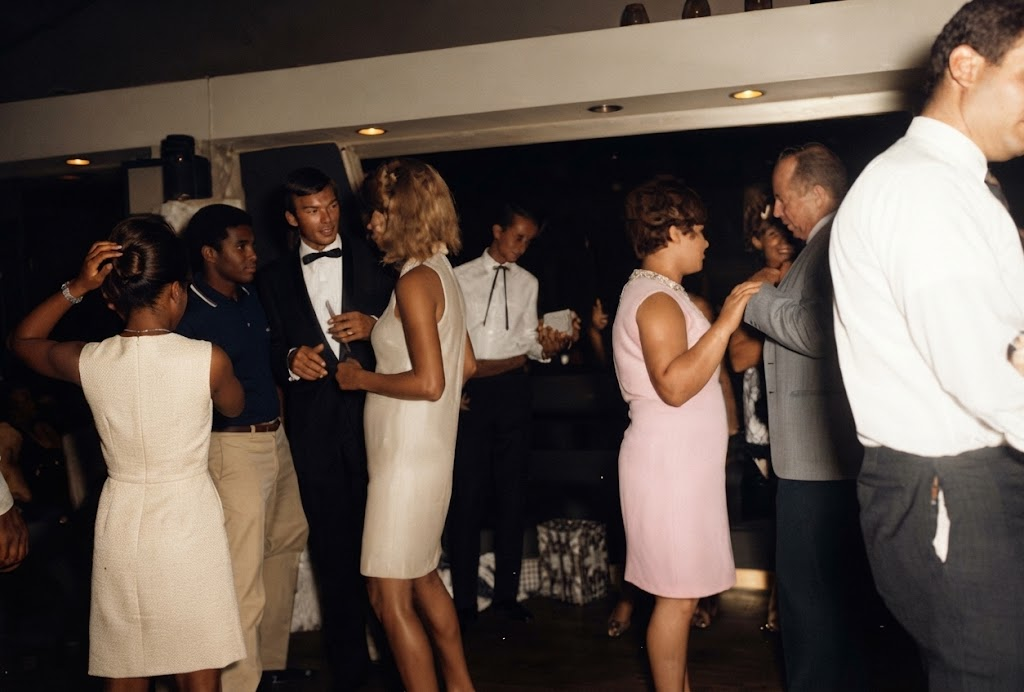
For expats working in the oil fields and local residents alike, the club served as a weekend sanctuary. It represented a lifestyle centered around outdoor recreation, community bonding, and relaxed coastal living.
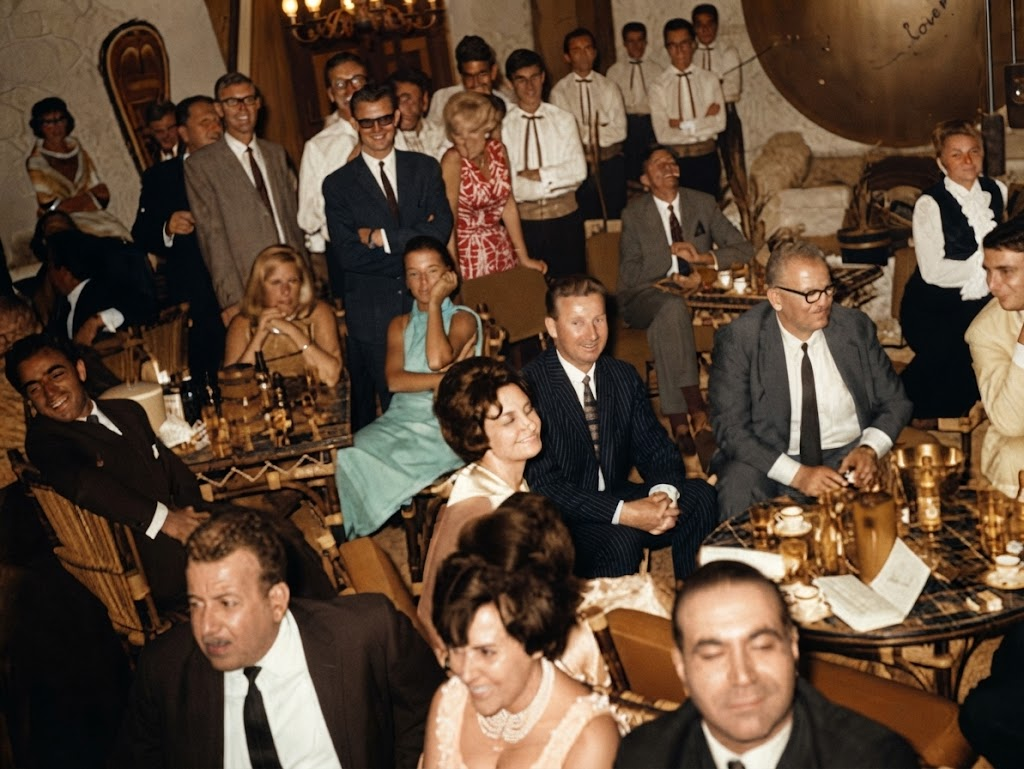
Sun, Surf, and Childhood Memories by the Gulf
If you talk to anyone who grew up in Kuwait during the late 1960s and 1970s, memories of the Gazelle Club invariably bring smiles and nostalgia. The daytime activities catered to every member of the family:
- Water Sports: The club’s private beach and wooden pier were hubs of activity. Teens and young adults spent hours water skiing, sailing, and racing speedboats across the clear blue gulf waters.
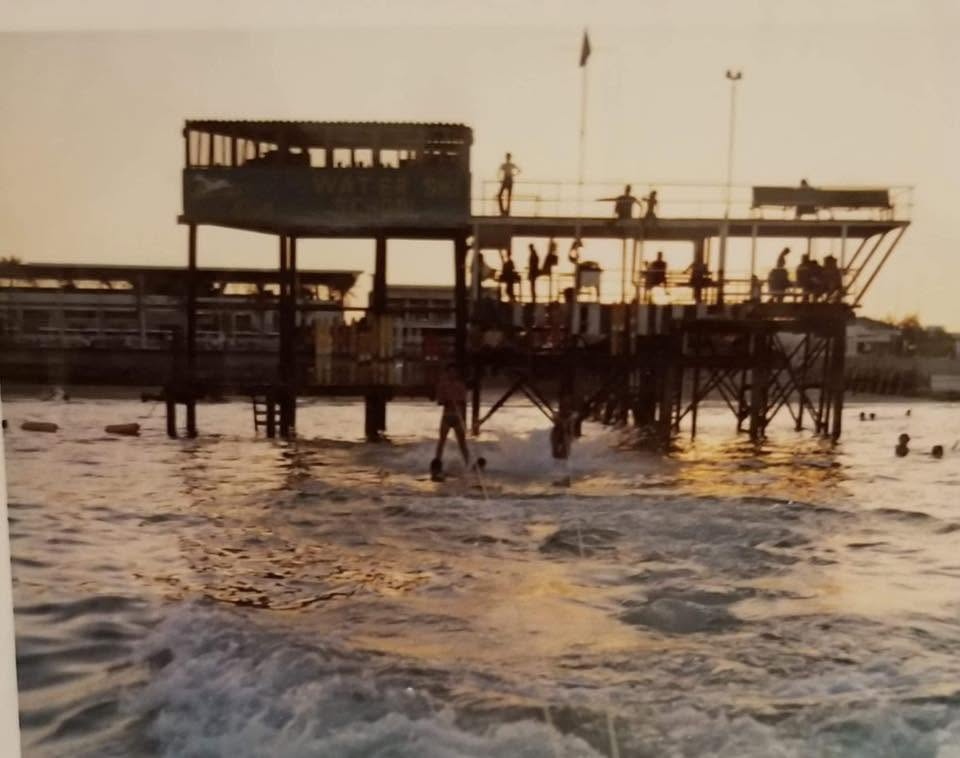
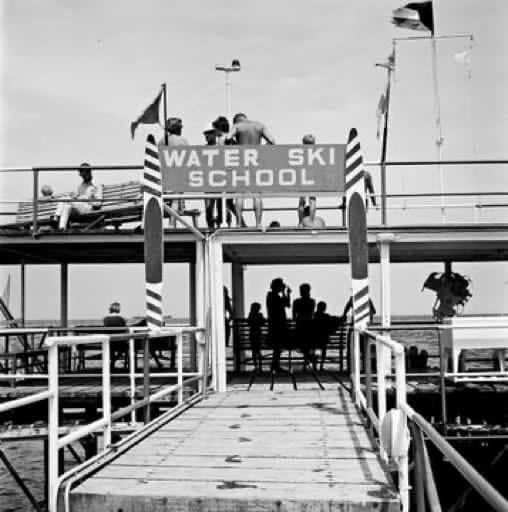
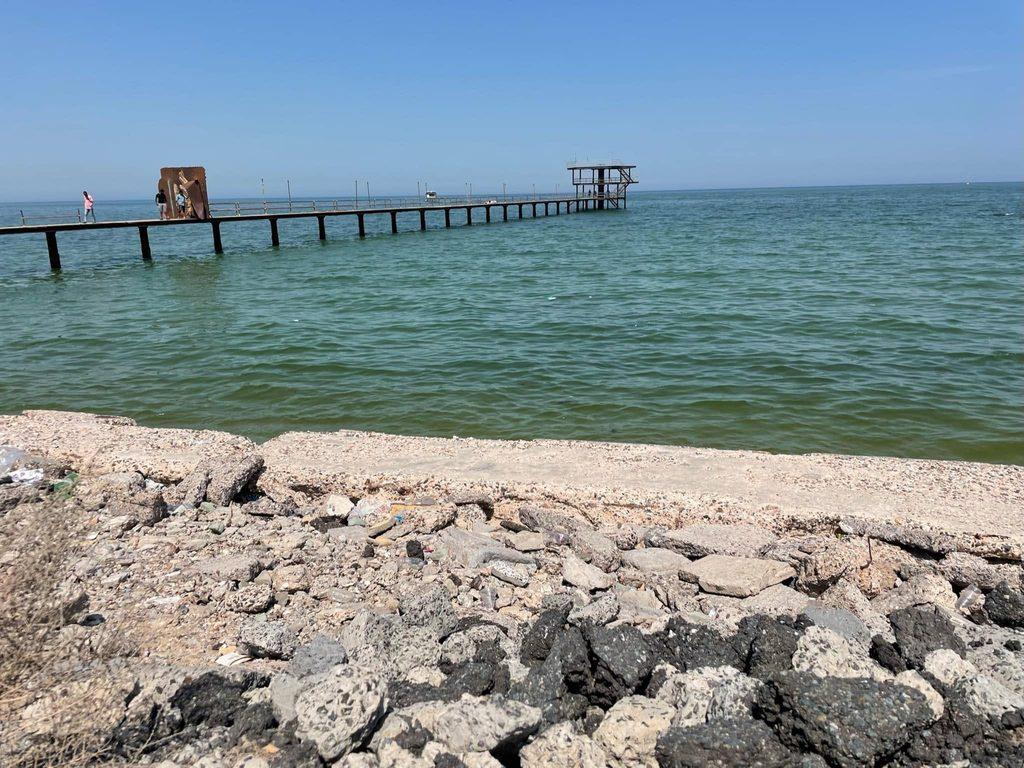
- Family Leisure: While mothers caught up over cold drinks in glass bottles, children ran across expansive lawns or fished off the pier.
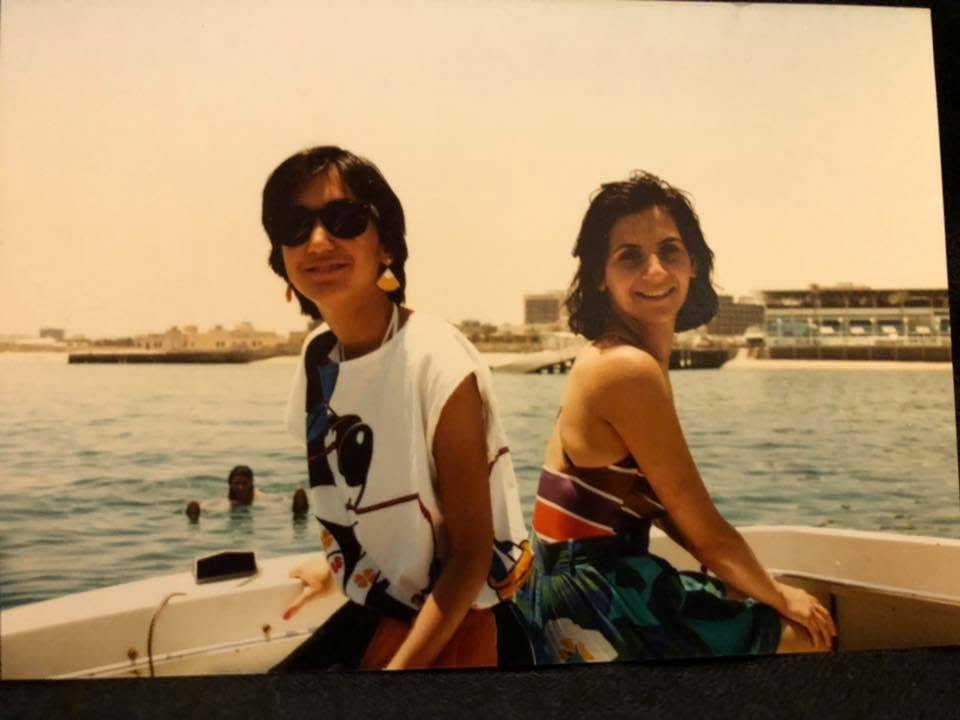
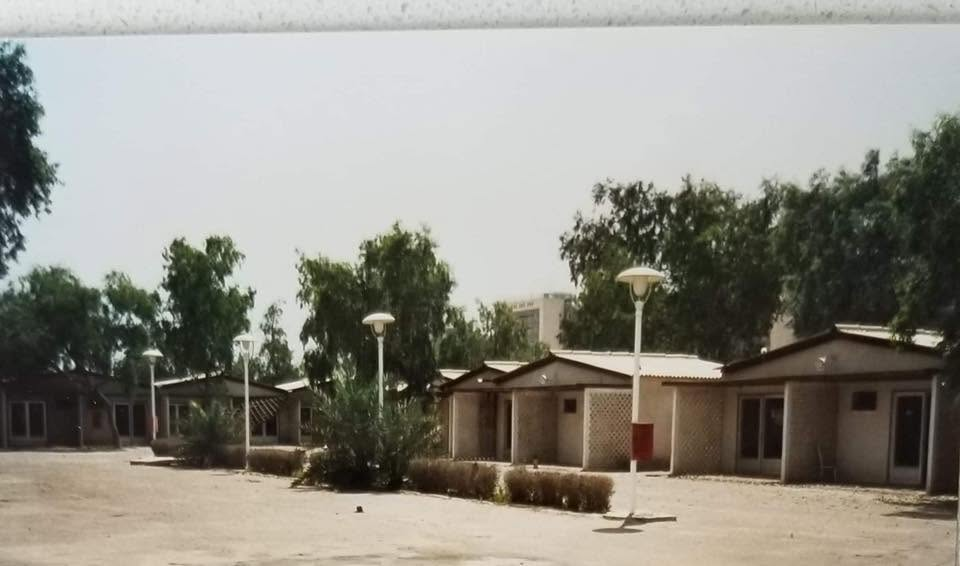
- Recreation Facilities: Beyond swimming and sunbathing, the club featured bowling alleys, tennis courts, and cozy dining areas serving fresh seafood and local delicacies.
When the Sun Went Down: Nights of Music and Fashion
While daytime at the Gazelle Club was relaxed and family-friendly, the atmosphere shifted dramatically as evening arrived.
This was the peak era of global disco, rock, and soul music, and Kuwait’s nightlife fully embraced it. International touring bands—such as the famous British acts and local fusion groups that performed in Kuwait at the time—took to the stage to fill the warm night air with energetic rhythms.
Guests dressed in the height of 1970s fashion, hitting the dance floors under mood lighting and mirrored balls. Conversations, laughter, and dancing continued late into the night, reflecting an era defined by openness and shared cultural experiences.
The Melting Pot of Cultures and Global Style
What made 1970s Kuwait—and venues like the Gazelle Club—so unique was its incredible diversity. It was a place where different nationalities seamlessly integrated. Expatriates and locals shared barbecue lunches, celebrated holidays together, and formed lifelong friendships.
This cross-cultural harmony created a unique social ecosystem. Western musical influences met Khaliji hospitality, creating a modern identity that was ahead of its time in the Middle East.
Why This Forgotten Era Still Captivates Us Today
As geopolitical landscapes shifted toward the end of the decade and into the 1980s, public entertainment venues across the region transformed significantly. Today, the physical remnants of the original Gazelle Club have largely faded into history, leaving behind quiet coastlines and fading photographs.
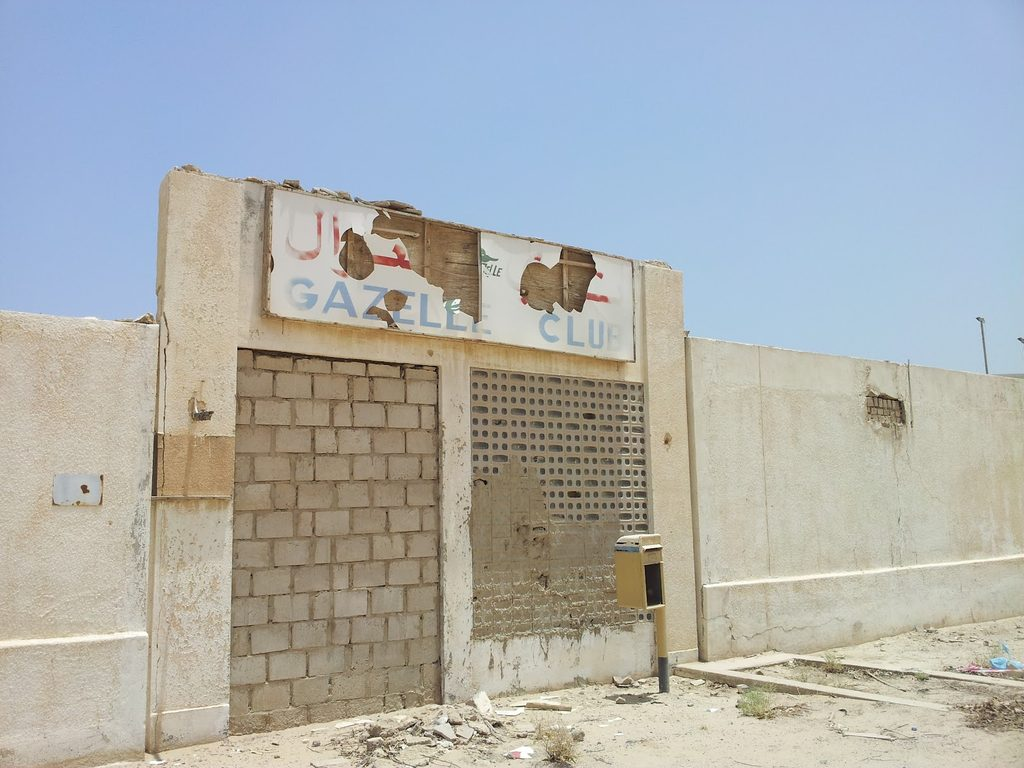
Yet, the legacy of the club lives on through personal memoirs, archived National Geographic features, and nostalgic storytelling online. Looking back at the swinging 1970s offers us a fascinating lens through which to view history—reminding us of a time when Kuwait sat at the very forefront of regional modernity, leisure, and style.
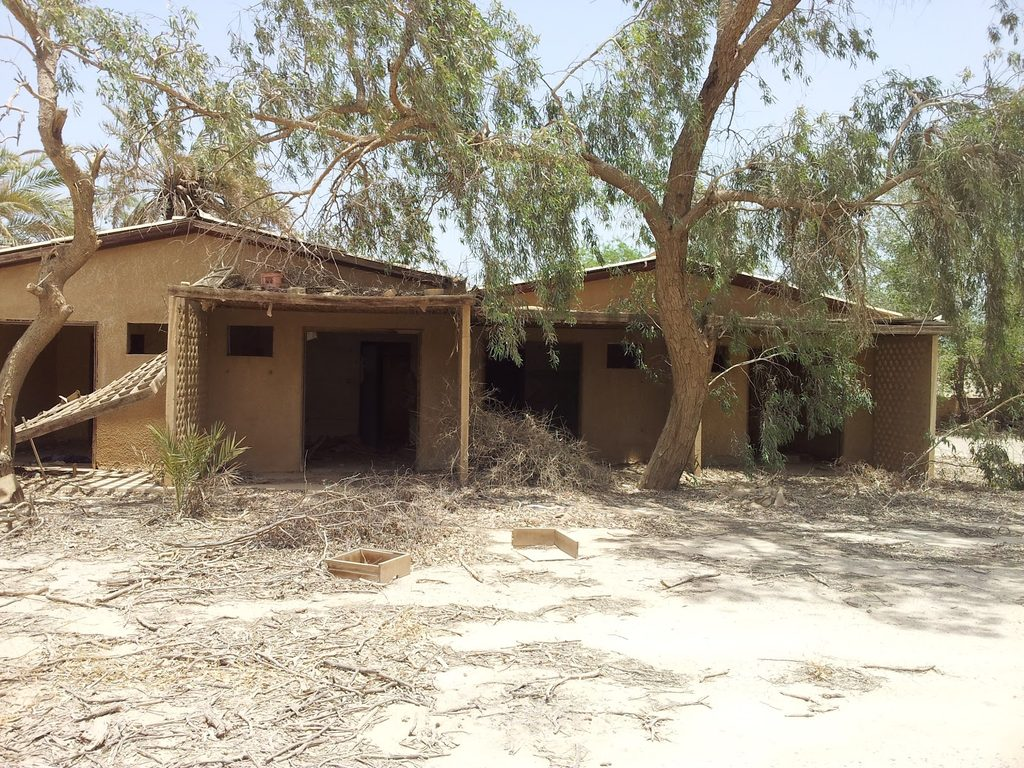
What are your thoughts on how leisure and lifestyle have evolved across the Gulf over the decades? Feel free to share your thoughts or explore more vintage historical deep dives!
📌 Related stories


⭐ Get Kuwait Upto Date first on Google.
Add us as a preferred source and see our news more in Google’s Top Stories.
Latest News
 International
Turkey and Pakistan to Send Troops to Saudi Arabia Amid Houthi Attacks
International
Turkey and Pakistan to Send Troops to Saudi Arabia Amid Houthi Attacks
 2
International 34 years old Kuwaiti jailed for life in London.
Read more →
2
International 34 years old Kuwaiti jailed for life in London.
Read more →
 3
Local Kuwait Tightens Rules on Delivery Riders, Warns of 2-Month Impound
Read more →
3
Local Kuwait Tightens Rules on Delivery Riders, Warns of 2-Month Impound
Read more →
 4
Local Kuwait Investigates After Schoolgirls Fall Ill With Breathing Trouble
Read more →
4
Local Kuwait Investigates After Schoolgirls Fall Ill With Breathing Trouble
Read more →
 5
Local Kuwait’s New Social Media Laws 2026.
Read more →
5
Local Kuwait’s New Social Media Laws 2026.
Read more →
 6
International Mother arrested after killing her own son; cover-up alleged
Read more →
6
International Mother arrested after killing her own son; cover-up alleged
Read more →
 7
Local Parking in the wrong spot in Kuwait could get your car clamped
Read more →
7
Local Parking in the wrong spot in Kuwait could get your car clamped
Read more →
 8
International Four Indian Nurses Killed in Road Accident
Read more →
8
International Four Indian Nurses Killed in Road Accident
Read more →
 9
International Mike Tyson’s café prayer protest against anti-Muslim sign resurfaces
Read more →
9
International Mike Tyson’s café prayer protest against anti-Muslim sign resurfaces
Read more →
 10
Local Why Kuwait’s humidity is up right now – it’s not the rains yet
Read more →
10
Local Why Kuwait’s humidity is up right now – it’s not the rains yet
Read more →
 11
Local New Notice Period and End-of-Service Rights for Workers in Kuwait
Read more →
11
Local New Notice Period and End-of-Service Rights for Workers in Kuwait
Read more →
 12
Local Kuwait Replaces Three Media Laws with One New Media Law
Read more →
12
Local Kuwait Replaces Three Media Laws with One New Media Law
Read more →
 13
Local Kuwaiti dentist Dr Sarah Khraibet wins US Kramer Award
Read more →
13
Local Kuwaiti dentist Dr Sarah Khraibet wins US Kramer Award
Read more →
 14
Local Ahmadi police arrest Asian resident over drug dealing in Mangaf
Read more →
14
Local Ahmadi police arrest Asian resident over drug dealing in Mangaf
Read more →
 15
Local Kuwait Orders Demolition of 263 Jleeb Al-Shuyoukh Buildings
Read more →
15
Local Kuwait Orders Demolition of 263 Jleeb Al-Shuyoukh Buildings
Read more →
Leave a Reply