
If you’ve ever noticed a grocery store near you pulled over for an inspection, this is exactly the kind of thing officials are checking for. Banned products quietly sold under the counter, fake deals plastered on shop windows, prices that are never actually shown anywhere.
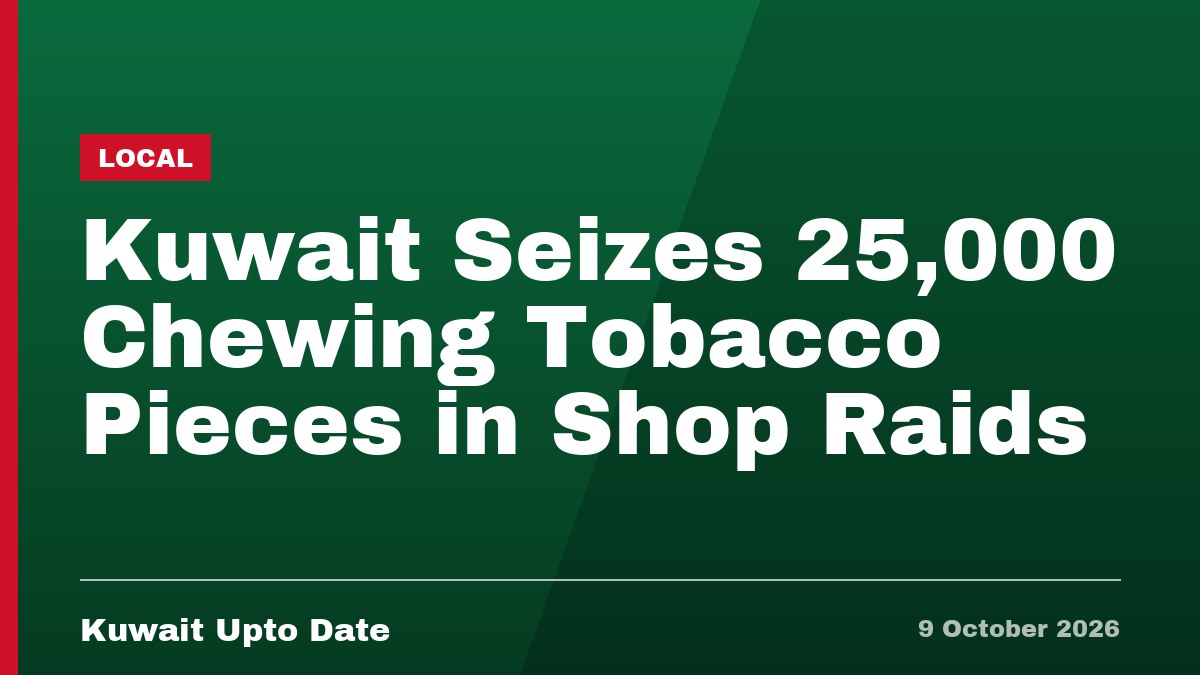
This week it wasn’t just a few cartons of expired snacks. Inspectors walked away with 25,000 pieces of chewing tobacco, a product that’s completely banned from import, display, marketing and trade in Kuwait.
Two separate campaigns, two governorates, and a long list of paperwork for the shop owners involved.
- The Ministry of Commerce and Industry carried out inspection campaigns in Al-Ahmadi and the Capital Governorates.
- 19 violation reports were issued in Al-Ahmadi’s Al-Khairan marine area, covering counterfeit goods, unapproved discounts, and unclear pricing.
- A joint operation with the Ministry of Interior in the Capital Governorate seized 25,000 pieces of chewing tobacco and led to three seizure reports.
- The ministry says legal action has been taken against everyone found in violation.
Add us as a preferred source and see our news more in Google’s Top Stories.
What actually happened in Al-Ahmadi
The ministry’s inspection team visited several shops in the Al-Khairan marine area, a stretch popular with chalet owners and beachgoers, especially as the weather cools down and people head back to the coast on weekends.
Out of those visits came 19 separate violation reports. The details matter here because they’re not all the same kind of offence. Some shops were caught with counterfeit goods on their shelves. Others were running discounts and promotional offers without getting prior approval from the ministry, which is a requirement meant to stop stores from advertising fake “sales” that aren’t really sales at all.
Inspectors also found stores not displaying prices clearly, something that sounds minor until you’re the one standing at a till with no idea what you’re being charged until the receipt prints. On top of that, the team flagged violations tied to how energy drinks are sold and distributed, a category that already has its own rules in Kuwait around who can sell them and how.
The chewing tobacco seizure in the Capital
The bigger single number comes from a different operation entirely. As part of joint inspection campaigns run with the Ministry of Interior, the ministry’s Emergency Team for the Capital and Hawalli Governorates, working under Shift A, inspected a number of grocery stores across the Capital Governorate.
That’s where the 25,000 pieces of chewing tobacco turned up. It’s a prohibited product in Kuwait, meaning it can’t be imported, displayed, marketed or sold here at all. The operation ended with three seizure reports filed against the stores involved.
The ministry hasn’t given a breakdown of how many stores were inspected in total to reach that haul, or named the areas within the Capital Governorate where the stores were located. What it has confirmed is that the necessary legal measures have been taken against everyone found holding or selling the product.
Why this matters if you live here
For most residents, none of this changes your daily routine. You’re not going to walk into a well-known supermarket chain and find chewing tobacco on a shelf. These seizures tend to happen in smaller, independent groceries, the kind that sometimes bring in goods through channels that skip proper customs and health checks.
But it’s a reminder that what looks like an ordinary corner shop can be sitting on stock that’s not just unhealthy but outright illegal to sell. Chewing tobacco carries serious health risks and its ban in Kuwait exists for that reason. If you’ve seen it being sold anywhere, that’s worth reporting rather than ignoring.
The pricing and discount violations are the part that touches shoppers more directly. If a store advertises a discount without ministry approval, there’s a real chance the “deal” isn’t genuine at all, just a markup followed by a markdown. Clear price displays exist so you’re not caught off guard at checkout, and it’s a rule that gets enforced regularly, as seen in earlier raids on food safety in Farwaniya and a bakery caught using expired ingredients.
Expats running small retail or grocery businesses should take note too. Selling counterfeit goods, running unapproved promotions, or stocking banned items can all lead to legal action against the business and the individuals responsible, not just a fine that gets quietly paid and forgotten.
Quick answers
Is chewing tobacco legal anywhere in Kuwait?
No. It’s prohibited from import, display, marketing and trade across the country, which is why its discovery during inspections leads straight to seizure.
What happens to shop owners after a violation report?
The Ministry of Commerce and Industry says necessary legal measures are taken against violators, though it hasn’t detailed the specific penalties in this case.
Why do stores need approval before offering discounts?
It’s meant to stop misleading promotions where prices are inflated first and then “discounted” to look like a genuine deal.
Were any store names or locations released?
No. The ministry named the general areas, Al-Khairan in Al-Ahmadi and the Capital Governorate, but hasn’t identified specific shops.
Worth keeping an eye on your own local grocery next time you’re there. Clear prices, no odd “deals” with no explanation, and definitely no chewing tobacco behind the counter. If something looks off, it’s worth a mention in the comments or a report to the ministry.
📌 Related stories



Latest News
 International
Emirates Rolls Out New U-Dream Headrest in Economy Class
International
Emirates Rolls Out New U-Dream Headrest in Economy Class
 2
International Kuwait Moves Closer to Visa-Free Travel in Europe’s Schengen Zone
Read more →
2
International Kuwait Moves Closer to Visa-Free Travel in Europe’s Schengen Zone
Read more →
 3
International UAE Probe: Flydubai Co-Pilot Planned Suicide Attack on Tel Aviv Airport
Read more →
3
International UAE Probe: Flydubai Co-Pilot Planned Suicide Attack on Tel Aviv Airport
Read more →
 4
International Saudia Pilot Killed in Riyadh Airport Attack, Airline Confirms
Read more →
4
International Saudia Pilot Killed in Riyadh Airport Attack, Airline Confirms
Read more →
 5
International UAE Drops Criminal Penalty for Attempted Suicide.
Read more →
5
International UAE Drops Criminal Penalty for Attempted Suicide.
Read more →
 6
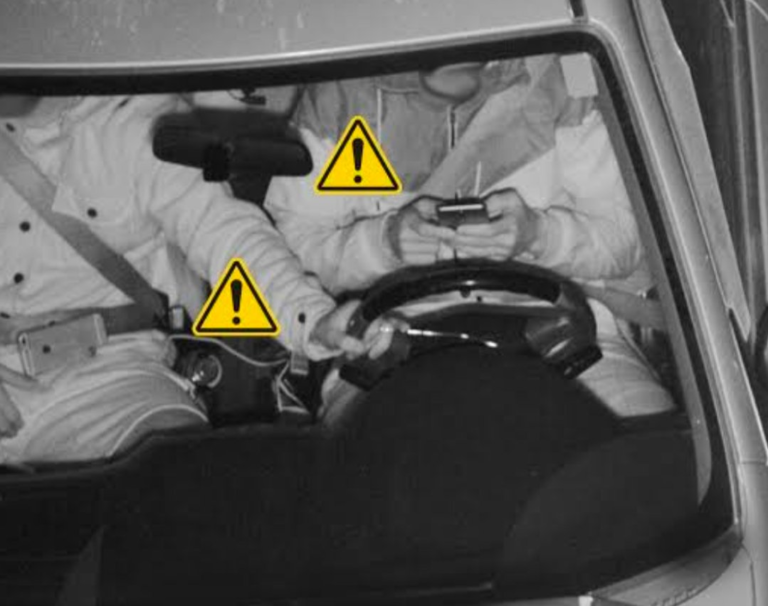
Local Kuwait Logged Over 1.1 Million Traffic Violations in Five Months
Read more →
6
Local Kuwait Logged Over 1.1 Million Traffic Violations in Five Months
Read more →
 7
Local Working Too Many Hours in Kuwait? Here’s What Kuwait Says About Overtime
Read more →
7
Local Working Too Many Hours in Kuwait? Here’s What Kuwait Says About Overtime
Read more →
 8
International Viral ‘safety pin on a train’ story has people talking l
Read more →
8
International Viral ‘safety pin on a train’ story has people talking l
Read more →
 9
Local Kuwait court jails man 2 years for blackmailing Filipina worker
Read more →
9
Local Kuwait court jails man 2 years for blackmailing Filipina worker
Read more →
 10
International Airport Tells Travellers to Check Flights
Read more →
10
International Airport Tells Travellers to Check Flights
Read more →
 11
International Riyadh Clinic Damaged by Intercepted Missile
Read more →
11
International Riyadh Clinic Damaged by Intercepted Missile
Read more →
 12
International Pakistani Jets Reportedly Joining Strikes on Houthis, NYT Says
Read more →
12
International Pakistani Jets Reportedly Joining Strikes on Houthis, NYT Says
Read more →
 13
Local Sahel Now Lets You Report 8 Labour Violations to Ministry
Read more →
13
Local Sahel Now Lets You Report 8 Labour Violations to Ministry
Read more →
 14
International Passport Free E-Gates at Airports
Read more →
14
International Passport Free E-Gates at Airports
Read more →
 15
International Saudi Airport Attacks: Moroccon, Algerian and a Sudan person died , 36 Hurt, Says Civil Aviation Body
Read more →
15
International Saudi Airport Attacks: Moroccon, Algerian and a Sudan person died , 36 Hurt, Says Civil Aviation Body
Read more →
Leave a Reply