Tag: kuwait

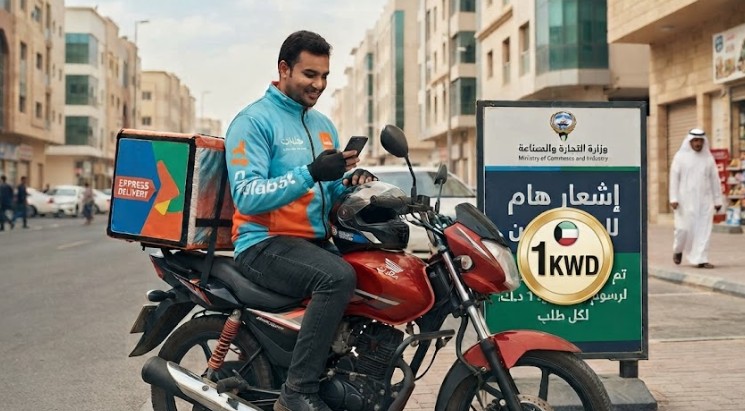
  • Kuwait Sets 1 KD Delivery Fee Cap and New Regulations

    Kuwait Sets 1 KD Delivery Fee Cap and New Regulations

    Hey everyone! I wanted to share some major local updates that just dropped regarding how online shopping and food delivery apps are going to operate moving forward. If you frequently order meals, groceries, or use digital marketplaces in Kuwait, this is definitely an update you will want to keep on your radar.

    The Ministry of Commerce and Industry has officially rolled out a comprehensive new framework known as the E-Platform Regulations. The main goal behind these updated guidelines is to strengthen the local digital commerce sector, safeguard everyday consumers, and ensure a fairer playing field for local merchants and businesses. Let’s take a closer look at what is actually changing under the new policy.

    Understanding the New Commission and Delivery Caps

    One of the most talked-about elements of this announcement is the introduction of strict limits on what digital platforms can charge merchants. To prevent excessive deductions from local businesses and restaurants, the updated rules establish clear percentage ceilings:

    • Platform Commission Cap (With Delivery): The total platform commission is capped at 17% when delivery services are bundled into the transaction.
    • Platform Commission Cap (Without Delivery): When delivery is excluded—meaning merchants utilize their own staff or independent couriers—the cap drops down to 10%.
    • Delivery Fee Limit: To protect shoppers from unpredictable or inflated delivery costs at checkout, the maximum allowable delivery fee has been fixed at KD 1 per order.

    These caps are designed to bring financial predictability to both small businesses and regular shoppers who rely on apps daily.

    Enhanced Consumer Protection and Transparency

    Beyond financial limits, the updated regulatory framework places a heavy emphasis on absolute transparency and data protection. Consumers can expect several direct benefits:

    • Platforms are now legally obligated to fully disclose all applicable prices, service charges, and fees before an order reaches final completion.
    • Clear return, exchange, and refund policies are now mandatory requirements for all registered e-platforms.
    • Strict protocols have been established to safeguard personal consumer data and transaction privacy.

    These steps aim to eliminate hidden checkout fees and build stronger trust between buyers and digital service providers.

    Transitioning Away From Older Frameworks

    If you are wondering how this fits into existing laws, these new rules completely replace previous restaurant delivery regulations. Instead of focusing narrowly on food delivery services, the updated framework casts a much wider net, governing all intermediary e-platforms operating within the digital space.

    Compliance Deadlines for Businesses

    To ensure a smooth transition, digital platform operators and online marketplaces have been given a set timeframe to adjust their operations. Companies have until Sept 1, 2026, to achieve full compliance, update their commercial licenses under the correct classifications, and restructure their fee models.

    I will keep following this story as the compliance deadline draws closer.

    Important Links & Tools

  • The future has arrived, robots now in Kuwait

    The future has arrived, robots now in Kuwait

    Have you ever thought about having a truly advanced robot in your home? A few years ago, this might have sounded like a scene from a science fiction movie. We used to imagine robots as futuristic machines that only existed in laboratories or on the big screen. But today, the world is changing fast, and the future has officially arrived in Kuwait.

    If you have been looking for the latest gadgets to upgrade your lifestyle, you might be surprised to find that professional-grade robots are now readily available for purchase right here in the country. Retailers like Xcite are leading the way by making advanced robotics accessible, offering sophisticated machines that bring true automation into your living space.

    An Investment in Cutting-Edge Technology

    When we talk about the latest generation of robotics, we aren’t just talking about simple toys or basic vacuum cleaners. We are talking about highly advanced, intelligent systems designed to handle complex tasks, provide security, or even act as sophisticated assistants. Because this technology is so advanced, it represents a significant investment.

    Currently, you can find high-end robotic solutions in Kuwait priced between 10,000 KWD and 15,000 KWD. This price range reflects the incredible engineering that goes into these machines. At this level, you are not just buying a piece of hardware; you are investing in top-tier artificial intelligence, advanced sensors, and mobility systems that were once reserved for industrial use.

    Why Choose Premium Robotics?

    You might wonder, “What does a robot in this price range actually do?” These are not your standard smart devices. These robots are built for performance and longevity. They often feature:

    • Advanced Navigation: They can map and move through complex environments without human intervention.
    • High-Level Interactivity: They use sophisticated cameras and sensors to recognize family members, respond to voice commands, and perform specific roles in the home or office.
    • Customization: Many of these units can be programmed for specialized tasks, making them perfect for those who want a truly “smart” environment tailored to their exact needs.

    For those who value efficiency, security, and being on the cutting edge of technology, these robots offer a level of capability that was previously unavailable to the average consumer.

    The Changing Landscape of Kuwaiti Tech

    The fact that these high-end products are now available in mainstream retail shows how much the market in Kuwait is evolving. Kuwaiti consumers are known for being tech-savvy and always interested in the newest trends. Retailers have noticed this demand and are responding by bringing these global innovations to our doorstep.

    When you browse these collections, you aren’t just looking at tablets or smartphones anymore. You are looking at a new category of technology. It is a shift from owning a “connected” device to owning a “capable” one—a machine that can interact with its surroundings, learn, and assist you throughout the day.

    Is Now the Right Time?

    If you are curious about starting your own robotics journey, the availability of these high-end options is a major milestone. With local support, warranties, and the professional service provided by major retailers in Kuwait, you have the peace of mind that comes with buying from a trusted name.

    Robotics is no longer a distant dream or a budget-friendly experiment; it is a serious technology reality becoming part of our lives in Kuwait. Whether you are looking to automate your home at the highest level or explore the limits of what modern AI can do, the options are finally here. The next time you are planning an upgrade to your home, consider how a high-end robot might change your daily routine—it is an investment in the future, available today.

  • Kuwait as 2026 hottest country but why people dying in Europe

    Kuwait as 2026 hottest country but why people dying in Europe

    If you’re reading this while sitting in Kuwait, you don’t need me to tell you that it’s hot—you can feel it the moment you step toward a window. As we push through June 2026, the mercury isn’t just rising; it’s redefining what “extreme” means. Living here, we’re no strangers to triple-digit temperatures, but this year feels particularly relentless.

    When you look at the global heat map, Kuwait consistently sits at the top of the list. But why here? And what does this mean for those of us living in the desert heat?

    The Global Heat Index: June 2026 Snapshot

    While the world is struggling with unprecedented heatwaves, Kuwait remains the epicenter. Here is how the temperature ranges look globally this June:

    CountryTemperature Range
    Kuwait 50°C – 53°C
    Iraq48°C – 50°C
    Saudi Arabia45°C – 48°C
    Pakistan45°C – 47°C
    Oman43°C – 46°C
    Algeria42°C – 46°C
    UAE40°C – 45°C
    Qatar40°C – 45°C
    Egypt41°C – 44°C
    France40.9°C – 42°C
    India> 42°C
    Spain> 40°C
    Italy38°C – 40°C
    GermanyUp to 38.6°C
    Thailand32°C – 35°C

    Why is Kuwait the Hottest Spot?

    Living in Kuwait, we’re at the mercy of a unique meteorological cocktail. It’s not just “global warming”—it’s geography.

    • The “Heat Dome” Effect: We are currently under the influence of persistent high-pressure systems. These create a “heat dome” that traps hot air, prevents cloud formation, and blocks any cooling breezes. Essentially, it turns the country into a giant oven.
    • The Semoom Wind: This is the season of the Semoom—dry, hot, northwesterly winds. When these kick up, they don’t just bring heat; they bring dust, which lowers visibility and traps even more heat in the lower atmosphere.
    • Urban Heat Island: As our cities grow, our concrete and asphalt structures absorb and retain heat throughout the day, releasing it slowly at night. This is why even when the sun goes down, you don’t get the relief you’d expect; the ground is still radiating heat back at us.
    • Aridity: With almost zero rainfall and extremely low humidity during the day, there is nothing to “moderate” the temperature. The sun’s radiation hits the desert floor directly, heating the air instantly.

    Why people dying in europe because of heat ?

    In Kuwait, the environment is built to handle extreme heat because it’s a constant reality. In Europe and the UK, these temperatures are an “emergency,” not a standard season. Here is why the impact is so starkly different:

    1. Lack of Cooling Infrastructure

    • Built for Cold, Not Heat: European homes and public buildings are historically designed to trap heat for the long, cold winters. Many buildings have thick walls, poor cross-ventilation, and, most crucially, very little air conditioning. Estimates suggest less than 20% of European homes have AC.
    • The “Heat Trap” Effect: When temperatures soar, European homes act like ovens that cannot cool down at night. In Kuwait, air conditioning is a standard utility. In Europe, many people have no way to lower their indoor temperature, meaning they never get a “cool break” to recover from the heat.

    2. The “Surprise” Factor & Lack of Acclimatization

    • No Time to Adjust: Kuwaitis are physiologically and behaviorally acclimated to the heat. People know the “rhythm” of the summer—when to stay inside, how to dress, and how to manage hydration.
    • Sudden Shock: In Europe, a heatwave often hits suddenly. The public, the healthcare system, and the elderly don’t have time to transition their behavior, leading to a massive, sudden surge in hospitalizations for heatstroke and cardiovascular stress.

    3. Aging Populations

    • Demographic Vulnerability: Europe has a much older population than the Gulf. Over 20% of the EU population is aged 65 or older. Elderly individuals have a reduced physiological capacity to regulate body temperature and are more likely to have chronic health conditions that make them highly susceptible to heat-related organ failure.

    4. Humidity and “Feels-Like” Temperatures

    • The Cooling Gap: While Kuwait is incredibly hot, it is often very dry, which makes sweating an effective way to cool the body. Many European heatwaves, especially in regions with coastal proximity, are humid. High humidity prevents sweat from evaporating, which stops the body’s primary natural cooling mechanism. This creates a higher “Wet Bulb Globe Temperature” (WBGT), which is a much more dangerous metric for human health than the air temperature alone.

    5. Urban Heat Island Effect

    • Design Limitations: Many European cities are dense, ancient, and filled with stone and concrete that absorb heat all day and release it at night. Unlike modern Gulf cities, which were planned in the era of high-capacity climate control, many historic European city centers are essentially “traps” for heat, with limited green spaces to provide natural cooling.

    The Bottom Line

    In Kuwait, the heat is a known challenge that the entire society is engineered to mitigate. In Europe, the heat is an infrastructure failure—when the environment itself doesn’t offer a safe place to cool down, even “lower” temperatures of 38°C to 40°C become fatal for the most vulnerable.

    Latest Posts

  • 100 Funny Facts About Kuwait That Are Way Too Real

    100 Funny Facts About Kuwait That Are Way Too Real

    I’ve been living in Kuwait for a long time now, and over the years, I’ve compiled a list of almost 100 hilarious, quirky facts that only make sense if you live here. From the absolute chaos of the daily commute to our deep-rooted obsession with specialty burgers and luxury car plates, this country has a unique personality you won’t find anywhere else. Whether you’re a long-time expat who knows exactly what wasta means, a local who can’t survive without their daily iced latte, or just someone wondering why we race camels with tiny robots, this ultimate list perfectly sums up the beautiful, expensive, and wonderfully bizarre reality of life in Kuwait.

    The Traffic & Car Culture

    1. Driving an ATV or quad bike on a main highway in Kuwait will get your vehicle impounded instantly, yet every winter people still try it like they’re on a desert safari.
    2. The bidding wars for car license plates are so intense that a plate with repeating numbers can literally cost more than the Ferrari it is attached to.
    3. Because license plates are such a massive status symbol, people who own ultra-expensive digits will literally cover them or flip them upside down when parked to stop people from “staring” or copying them.
    4. If you break down on the highway, don’t be surprised if three different strangers pull over, not to fix your engine, but to offer you hot chai or water while you wait.
    5. Kuwait has some of the highest-end, most expensive road infrastructure in the world, but it has exactly zero public commercial passenger trains.
    6. If your boat trailer looks even slightly lopsided or loosely hitched on the highway to the chalet, the traffic police will pull you over and critique your knot-tying skills with a fine.
    7. People use their hazard lights not just for emergencies, but as a universal signal that means: “I am going to park illegally right here for two minutes to grab my flat white.”
    8. Car window tinting is a major legal debate; people are constantly pushing the legal darkness limit to the absolute maximum to hide from the sun (and each other).
    9. You can tell it’s winter because suddenly every SUV in the country has a massive camping tent or a portable toilet hitched to the back.
    10. The speed cameras on the coastal roads are so sensitive and frequent that driving down them feels like walking the red carpet with paparazzi flashing at you.

    Food, Cafes, & Diet Culture

    1. Kuwait is universally known as the food capital of the GCC, meaning people will literally drive across the country just to try a new smash burger.
    2. There is an unwritten rule that if a new specialty cafe opens, you must stand in a 45-minute line for an iced Spanish Latte, even if it tastes exactly like the one next door.
    3. Machboos (the national rice and meat dish) is a serious culinary religion; calling someone’s mother’s Machboos “average” is a declaration of war.
    4. It is culturally expected that you eat Machboos with your bare hands, which results in hilarious, slippery failures for anyone trying it for the first time.
    5. If you visit a Kuwaiti household, the host will keep piling food onto your plate until you literally have to fake a medical emergency to get them to stop.
    6. Leaving a completely clean plate at a dinner party can sometimes backfire because the host interprets it as “I am still starving, give me more.”
    7. Kuwait is home to some of the highest density of fast-food joints in the world, leading to a hilarious paradox where the country loves both heavy gym culture and late-night slider boxes equally.
    8. Diet meal-prep companies are a massive industry here; half the population is subscribed to a box that delivers strictly weighed chicken and rice daily.
    9. Despite the heat, people will sit outside at cafes in 45°C weather if the outdoor seating area has a high-pressure water misting fan.
    10. The obsession with local burger chains is so deep that many people have a specific “burger app” folder on their phones.

    The Weather & The Elements

    1. Summer temperatures regularly hit 50°C (122°F), meaning the metal part of your seatbelt becomes a legitimate branding iron if you leave your car in the sun.
    2. When it rains for more than ten minutes, schools get cancelled, roads freeze up, and the entire country celebrates like they live in London.
    3. In the peak of summer, the tap water coming out of the “cold” pipe is boiling hot because the water tanks on the roof are baking in the sun. To get cold water, you have to turn off your water heater and use the water trapped inside it.
    4. The wind from the desert can bring a sudden sandstorm that turns the entire sky bright orange, making the country look like a movie set for Mars.
    5. Winter lasts for about two weeks, but the moment the temperature drops below 20°C, people break out heavy North Face parkas, winter beanies, and Ugg boots.
    6. Walking from an air-conditioned mall directly into the summer heat will instantly fog up your glasses, rendering you temporarily blind.
    7. The country has almost no natural fresh water sources, so virtually everything people drink comes directly from massive high-tech sea desalination plants.
    8. In the summer, people don’t ask “How are you?”—they ask “How is your car’s AC holding up?”
    9. The midday summer sun is so intense that delivery drivers are legally banned from working outside during peak afternoon hours to prevent them from melting.
    10. The weather changes so drastically between seasons that your car tires will set off the low-pressure warning light the exact week November hits.

    Traditional Quirks & The Diwaniya

    1. The Diwaniya is a male-dominated social gathering hall attached to houses, where the gossip is sharper, faster, and more brutal than any internet forum.
    2. If you enter a Diwaniya, you must shake hands with every single person in the room starting from the right side, even if there are 40 people there.
    3. Perfume layering is a competitive sport; men and women will mix three to four different heavy oud and French perfumes until they create a scent cloud that lingers in a room for an hour after they leave.
    4. Bringing an expensive, beautifully wrapped box of chocolates or sweets to a gathering is mandatory, even if the host already has ten unopened boxes on the table.
    5. The national bird is the Falcon, and it appears on stamps, money, and corporate logos everywhere, looking incredibly majestic and judgmental.
    6. There is a traditional folk celebration called Al-Noon when a toddler cuts their first tooth; the mother literally goes onto the roof of the house and throws candy and nuts down to children waiting below.
    7. Traditional matchmakers still exist, and if you are of marrying age, your aunts will actively analyze your social media profiles to see if you’re good partnership material.
    8. Saying “Inshallah” (If God wills it) can mean yes, but in professional or bureaucratic settings, it often gently means “This is never going to happen.”
    9. The Sadu is a traditional form of tribal geometric weaving that heavily features camels, reflecting the old days when camels were basically the ultimate multi-purpose survival vehicle.
    10. Kuwait was the first country in the region to legalize camel racing using miniature, remote-controlled robot jockeys instead of humans.

    Tech, Shopping, & Mall Culture

    1. The Avenues Mall is so ridiculously massive that people literally use it as an indoor running track during the scorching summer months.
    2. If you go to the mall on a weekend, you will see people dressed in full high-fashion runway outfits just to walk past a Zara.
    3. The country has a massive tech-delivery ecosystem; you can get anything from a single ice cream cone to an entire living room sofa delivered to your doorstep via an app within two hours.
    4. Buying the latest iPhone the exact day it drops is a major priority for tech enthusiasts, leading to massive midnight crowds outside electronics stores.
    5. E-commerce is so dominant that local Instagram businesses selling everything from home-baked cookies to custom abayas can become multi-million Dinar enterprises.
    6. If an app doesn’t support K-Net (the local debit card system), it might as well not exist in Kuwait.
    7. Walking through the luxury section of the mall feels like an unannounced fashion show where everyone is subtly checking out everyone else’s shoes and bags.
    8. People will buy high-tech gadgets specifically for their desert camping setups, including portable satellite dishes and solar-powered outdoor cinema screens.
    9. Customer service over WhatsApp is the standard for local businesses, and they will often reply with voice notes that sound like they’re talking to a close friend.
    10. There is a huge culture of vintage electronic collecting, with people paying top dollar for working 1990s retro gaming consoles and old Nokia phones.

    Money & The Economy

    1. The Kuwaiti Dinar (KWD) is consistently the highest-valued currency unit in the world, making expats feel like absolute kings when they convert their money back home.
    2. Because the Dinar is so strong, a 20 Dinar note looks relatively small but can easily vanish after buying just a couple of specialty coffee drinks and a light lunch.
    3. Tipping culture is very relaxed, but people will regularly hand out generous tips to delivery drivers just because the summer heat is so brutal.
    4. Kuwait has a massive sovereign wealth fund that is older than the country’s actual independence, meaning the nation has been financially planning for the future for a very long time.
    5. The oil field called Burgan is the second-largest sandstone oil reservoir on Earth, making the desert sand literally sit on top of unfathomable wealth.
    6. Gold shopping at the traditional Souq Al-Mubarakiya is a high-stakes negotiation process where grandmothers will out-bargain the most experienced merchants.
    7. Financial literacy apps are booming because young adults are constantly trying to balance their heavy lifestyle spending with long-term investments.
    8. It’s very common for people to have multiple bank accounts just to separate their “coffee and dining out” budget from their actual living expenses.
    9. The central bank regularly updates banknote designs with heavy security features to stay ahead of counterfeiters who try to copy the world’s most valuable paper.
    10. Forgery rings have actually been busted trying to forge government stamp stickers just to save people a few Dinars on basic paperwork fees.

    Everyday Life & Language Quirks

    1. The local dialect blends Arabic with English, Persian, Turkish, and Urdu words, creating a highly unique slang that can confuse speakers from other Arab countries.
    2. If someone tells you “Yallah,” it could mean hurry up, let’s go, okay, or goodbye, depending entirely on the speed and tone of the word.
    3. Street signs in English sometimes feature hilarious literal translations of Arabic names that make zero sense to tourists.
    4. The paperwork required for any government transaction is affectionately referred to as Wasta culture, meaning who you know matters just as much as what documents you brought.
    5. Asking for directions will often result in landmarks that don’t exist anymore, like “Turn left where the old roundabout used to be five years ago.”
    6. Public ministries and government offices operate on an early-morning schedule, meaning if you aren’t there by 8:00 AM, you might as well try again tomorrow.
    7. Expats make up nearly 70% of the total population, making Kuwait City a massive melting pot of global languages, cultures, and food.
    8. The local phrase “Chidha” basically means “like this” or “just because,” and it is used as a universal filler word to end any logical argument.
    9. During Ramadan, public eating, drinking, or smoking during daylight hours is strictly illegal for everyone, leading to a massive rush on supermarkets the night before the holy month starts.
    10. The national anthem is played in schools every morning, and kids have mastered the art of lip-syncing it while half-asleep.

    Chalets, Camping, & The Desert

    1. Going to the “Chalet” (beach house) on weekends is a massive cultural ritual that involves moving half your household belongings for a two-day trip.
    2. The desert camping season (Kashta) is highly regulated, and people take their camp setups so seriously they look like luxury five-star nomadic hotels.
    3. A desert camp setup isn’t complete without a giant flat-screen TV running on a noisy generator so people can watch football matches in the middle of nowhere.
    4. The Arabian Gulf is home to sea turtles and dolphins, but most locals are more focused on jet ski races close to the shoreline.
    5. Finding a good, secluded spot in the desert during winter is difficult because thousands of other families had the exact same idea.
    6. People will drive massive trucks into deep sand dunes and inevitably get stuck, leading to a giant community effort from passing drivers to pull them out.
    7. The traditional winter food of choice in the desert is roasted chestnuts and hot milk with ginger, cooked over an open coal fire.
    8. If you leave your shoes outside your desert tent overnight, don’t be surprised if a curious desert fox or stray dog walks off with one of them.
    9. The transition from the beach chalet season to the desert camping season happens almost overnight the moment October ends.
    10. People love to take their domestic indoor cats out to the desert camps, leading to hilarious sights of fluffy Persian cats looking completely confused by sand dunes.

    Architecture & Landmarks

    1. The iconic Kuwait Towers look like retro-futuristic sci-fi spaceships from the 1970s, but their primary engineering purpose is actually holding massive amounts of water.
    2. The Al Hamra Tower is one of the tallest sculpted buildings in the world, featuring a unique twisted concrete design that looks like a giant stone sail.
    3. Plans for the future Burj Mubarak Al-Kabir aim to make it over 1,000 meters tall, which is a hilarious competitive flex against neighboring skyscrapers.
    4. The Sheikh Jaber Al-Ahmad Cultural Centre is a stunning architectural masterpiece that looks like giant jewel-cut structures, housing the largest opera house in the Middle East.
    5. Traditional old Kuwaiti houses used to be built out of mud and coral stone from the sea before the oil boom changed the skyline forever.
    6. Souq Al-Mubarakiya has a specific section entirely dedicated to dates, where you can sample 50 different types of dates until you get a sugar rush.
    7. The Grand Mosque is so large it can hold over 10,000 worshippers in the main hall alone, featuring massive teakwood doors imported from India.
    8. There are random abandoned buildings from the late 20th century that locals swear are haunted, turning them into targets for teenage urban explorers.
    9. Green Island is a completely artificial island built along the promenade, featuring a giant observation tower that offers views of the coastline.
    10. Many residential neighborhoods are designed in strict blocks with their own central supermarket, gas station, and mosque, making each block feel like its own mini-kingdom.

    Quirky Pop Culture & Modern Life

    1. Kuwaiti TikTok and Instagram drama can become national news overnight, with people tracking local influencer feuds closer than political elections.
    2. The local comedy theater scene is massive, with plays that loudly lampoon local bureaucracy, marriage, and generational gaps to sold-out crowds.
    3. People are deeply obsessed with padel tennis right now; courts have popped up everywhere, and finding an open slot to play on a weekend requires booking days in advance.
    4. Street cats in Kuwait are incredibly bold; they will casually walk into outdoor restaurants and sit on the empty chair next to you, demanding a piece of your chicken tikka.
    5. The country loves luxury watches so much that there are local online communities solely dedicated to spotting what rare watch a public figure is wearing.
    6. Young creators are building massive local podcast networks, discussing everything from mental health and tech startups to old sea-faring ghost stories.
    7. If a local sports team wins a regional match, the celebrations on the streets can cause traffic jams that last until the early hours of the morning.
    8. Sneaker culture is huge; young adults will spend thousands of Dinars on limited-edition sneakers that they carefully protect from the harsh desert dust.
    9. The phrase “Shaku Maku” translates directly to “What’s there, what’s not there?”—which is just the ultimate casual way to say “What’s up?”
    10. Despite all the rapid modernization, high-tech infrastructure, and luxury spending, the absolute favorite weekend activity for most families is still just sitting by the Gulf road with a flask of hot tea, watching the waves.

    Latest Posts:

  • International Day of Yoga in Kuwait: Over 2,200 Gather for “Healthy Ageing” Event by Indian Embassy

    International Day of Yoga in Kuwait: Over 2,200 Gather for “Healthy Ageing” Event by Indian Embassy

    I woke up early on Saturday morning, rolled up my mat, and headed out to the Boulevard Stadium. Even though it was already getting warm outside, the energy at the stadium was incredible. I joined more than 2,200 other people to celebrate the 12th International Day of Yoga, organized by the Indian Embassy in Kuwait.

    Looking around, the crowd was a beautiful mix of people—local Kuwaitis, expats from all over, diplomats, and families with kids. It felt less like an official event and more like a massive community morning out.

    Over 2,200 People on One Field

    Finding a spot on the field was half the fun. Everywhere you looked, rows of yoga mats stretched across the grass. The sheer scale of the gathering was impressive, but what really struck me was how peaceful the atmosphere felt despite the crowd.

    We started with a warm welcome from the Indian Ambassador to Kuwait, Her Excellency Paramita Tripathi. She spoke about this year’s theme, “Yoga for Healthy Ageing,” which really resonated with the crowd. She talked about how yoga keeps your mind sharp and your body flexible no matter how old you get. Hearing her speak made me realize how much of a community bridge yoga has become between India and Kuwait.

    Recognizing Local Yoga Pioneers

    One of the coolest moments of the morning was hearing about the special guests in attendance. Sheikha Shaikha Ali Al-Jaber Al-Sabah, the President of the Kuwait Yoga Committee, was there. The Ambassador highlighted how Sheikha Shaikha opened Kuwait’s very first licensed yoga studio back in 2014 and even received India’s prestigious Padma Shri award last year for her work. It is amazing to see how much the yoga scene has grown here over the last decade. Padma Shri Ms. Nouf Al-Marwaii, who founded the Arab Yoga Foundation in Saudi Arabia, also joined the event, making it feel like a true regional milestone.

    The Ambassador also shared that this main event was actually the grand finale of a massive campaign. Over the past few weeks, the community has hosted over 40 smaller yoga sessions across Kuwaiti schools, offices, and public parks.

    Moving Together: The Session

    Once the speeches wrapped up, the real fun began. Leaders guided us through a series of yoga postures (asanas), breathing exercises, and a short meditation.

    There is a unique feeling when thousands of people inhale and exhale at the exact same time. Even though some of the balances were a bit tricky in the morning heat, everyone around me was smiling, trying their best, and helping each other out. By the time we reached the final relaxation pose, the early morning wake-up call felt entirely worth it.

    Exciting Announcements: Movies and Wellness

    Before we packed up our mats, the Embassy shared a couple of great updates that had the crowd cheering:

    • The AYUSH Forum: The Embassy is launching a new forum dedicated to yoga, Ayurveda, and traditional wellness practices, which will offer regular health insights.
    • Indian Film Thursdays: Starting June 25, 2026, the Embassy auditorium will host free movie screenings every Thursday. They are kicking it off with the sports movie 83, which tells the story of India’s legendary 1983 Cricket World Cup win.

    Walking out of the stadium with my mat under my arm, I felt completely refreshed. It wasn’t just a great physical workout; it was a reminder of how simple practices can bring a diverse city like Kuwait together. If you missed it this year, the Embassy actually hosts free morning yoga sessions every Friday and Saturday throughout the year—so there is always a chance to catch the vibe yourself!

    Latest Posts :

  • Is Salmiya the Heart of Kuwait?

    Is Salmiya the Heart of Kuwait?

    Living in Salmiya: The Ultimate Guide to Kuwait’s Most Vibrant District

    If you are looking for a place to live in Kuwait that never sleeps, you have likely looked at Salmiya. It is often called the “beating heart” of the country because of its non-stop energy, central location, and the sheer number of things to do. But living in the center of the action comes with its own unique set of rewards and challenges.

    Whether you are a new expat arriving in Kuwait or a long-time resident looking to move, here is everything you need to know about life in Salmiya.

    What Makes Salmiya Unique?

    Salmiya is not just a neighborhood; it is an experience. It is one of the busiest and most popular areas in Kuwait for a reason. It is the perfect blend of high-rise apartment living, massive shopping malls, and a deep, diverse culture. If you are someone who likes to be in the middle of everything, this is the place to be. You are rarely more than five minutes away from a grocery store, a cafe, or a specialized repair shop.

    Common “Only in Salmiya” Experiences

    Life in Salmiya feels a bit different than the quieter suburbs of Kuwait. Here are some things you will definitely experience:

    • The Daily Parking Hunt: Finding a parking space on a busy street is a real challenge. You will often find yourself circling the same three blocks, waiting for someone else to pull out. It is a daily routine that teaches you a lot of patience!
    • The Delivery Doorbell Symphony: Salmiya residents love their food delivery. Whether it is a late-night shawarma, a morning karak tea, or a grocery order, your doorbell will ring constantly. You’ll eventually stop asking “Who is it?” and just start answering.
    • The Local Cat Colony: You will quickly notice that the neighborhood cats are the real owners of the streets. They are everywhere, and they usually don’t move for anyone—not even for a car. You learn to drive—and walk—around them.
    • The Nightlife Culture: Unlike other areas that go quiet early, Salmiya is always “awake.” You can find cafes, supermarkets, and shops open well past midnight. It is a haven for night owls.
    • The Karak Tea Lifestyle: Drinking karak tea at a small, street-side cafeteria late at night is a local tradition. It is the best place to talk, relax, and watch the world go by.

    The Pros: Why People Love Living Here

    There are many reasons why Salmiya remains a top choice for thousands of people:

    • Convenience at Your Doorstep: You can walk to almost everything. If you need to print a document, fix a laptop, buy fresh spices, or grab a late-night meal, you can usually do it without driving across the city.
    • Amazing Variety: Because it is so diverse, you can find food and goods from almost every corner of the globe. It is the easiest place in Kuwait to find a taste of home.
    • The Beautiful Sea View: Many of the high-rise buildings along the Gulf Road offer a stunning view of the sea. Watching the sunset over the Arabian Gulf every evening is a luxury that makes the daily urban grind worth it.
    • High Social Energy: You are constantly surrounded by people. If you are social and enjoy meeting others or just being around the “hustle and bustle” of city life, you will never feel bored here.

    The Cons: The Reality of Urban Life

    It is important to be honest about the trade-offs of living in such a busy area:

    • Heavy Traffic: During morning and evening rush hours, the roads get extremely crowded. Entering or leaving the area during peak times can feel like a test of your patience.
    • The Parking Battle: If your building does not have private, assigned parking, you are in for a stressful experience. Street parking is limited, and it fills up fast.
    • The “One-Way” Maze: Salmiya’s streets can be confusing. Many roads are one-way only. If you miss your turn, you might end up driving in a large circle just to get back to where you started.
    • Constant Noise: Because it is so busy, it is rarely quiet. If you are a light sleeper or need total silence to relax, the constant hum of city traffic might be difficult to get used to.
    • The Dust Factor: Because there is always some form of construction or renovation happening nearby, your windows and balconies will gather dust very quickly. It is a constant battle to keep things clean.

    Essential Tips Before You Move

    If you decide that Salmiya is the right home for you, keep these tips in mind to make your life easier:

    • Parking is King: Do not sign any lease unless the apartment comes with a dedicated, secure parking spot. It will save you hours of frustration every single week.
    • Check Everything First: Before you sign your contract, test the water pressure in the shower and kitchen. Make sure every single air conditioning unit works perfectly, as A/C is your best friend in the Kuwaiti summer.
    • Find Your “Local” Spots: Find a nearby grocery store or small cafeteria where you can become a “regular.” Once the staff knows you, they will often go out of their way to help you with small favors or tips.
    • Use Delivery Apps: Don’t fight the traffic for a small errand if you don’t have to. Embrace the convenience of delivery apps to save time.

    Is Salmiya Right For You?

    • Choose Salmiya if: You are a young professional, you love city energy, you value convenience over absolute silence, and you don’t mind a little bit of traffic.
    • Look elsewhere (like Salwa, Jabriya, or Mishref) if: You are prioritizing a quiet family life, you need guaranteed stress-free parking, or you get easily overwhelmed by crowds and high-density living.

    Is Salmiya good as a dating point ?

    When people talk about “dating points” in Salmiya, they are usually referring to spots that offer a blend of atmosphere, privacy, and enough activity to keep things interesting. Because Salmiya is the “social hub” of Kuwait, it has plenty of locations that fit different types of dates, whether you’re looking for a casual coffee or a more formal dinner.

    Here are the best types of “dating points” in Salmiya, broken down by the vibe you might be looking for:

    1. The “Gulf Road” Scenic Date

    • The Vibe: Relaxed and conversational.
    • The Spot: A walk along the Salmiya waterfront/promenade.
    • Why it works: It’s arguably the most popular way to spend an evening. You can park near one of the many cafes along the Gulf Road, grab a coffee or a karak, and take a long walk along the sea. It’s perfect for a first or second date because it’s low-pressure and allows you to talk freely.

    2. The “Mall-to-Table” Date

    • The Vibe: Classic and comfortable.
    • The Spot: Marina Mall / Marina Crescent.
    • Why it works: Marina Crescent is the “gold standard” for dates in Salmiya. You have a variety of high-end restaurants and cafes right by the water. It’s a very safe, reliable choice where you can have a full dinner and then wander through the mall or sit by the marina for dessert.

    3. The “Coffee Culture” Date

    • The Vibe: Casual and intimate.
    • The Spot: Any of the specialized cafes on Salem Al Mubarak Street or the Symphony Mall area.
    • Why it works: Salmiya is packed with world-class coffee shops. If you want a “coffee-only” date, these spots are great. They are usually well-lit, busy enough to feel lively, but private enough for a good conversation.

    4. The “Foodie” Date

    • The Vibe: Fun and experiential.
    • The Spot: The various “hidden gem” restaurants scattered throughout Salmiya.
    • Why it works: If you want to impress someone with unique food, Salmiya is the best place to be. You can go from authentic Lebanese and Egyptian spots to high-end burgers or international cuisine within two blocks. It shows you know your way around the best food in the city.

    A Few “Dating” Tips for Salmiya:

    • Parking is the #1 Date Killer: As we mentioned in our guide, Salmiya parking is tough. If you are planning a date, arrive 20 minutes early to find a spot. Nothing ruins the start of a date like circling the block for 20 minutes while you’re both getting stressed!
    • Avoid Peak Traffic: Try to schedule your date so you aren’t fighting the massive rush-hour gridlock (usually between 5:00 PM and 7:00 PM). It’s much easier to enjoy the date if you aren’t both exhausted from being stuck in traffic.
    • Check Reservations: For the popular spots at Marina Crescent, especially on Thursday or Friday nights, always make a reservation. It shows you’re prepared and saves you from waiting for a table.
    • Respect the Vibe: Remember that public displays of affection are generally frowned upon in Kuwaiti culture. The best dates here are centered on great conversation, good food, and shared activities.

    Latest Posts :

  • How to get your approved Schengen Visa from Kuwait and online form (Expat Guide)

    How to get your approved Schengen Visa from Kuwait and online form (Expat Guide)

    Applying for a Schengen visa as an expat living in Kuwait is a entirely different game compared to the process for citizens. Over the years, I have analyzed how the embassies in Kuwait City evaluate non-GCC passport holders. The bottom line is simple: The visa officers do not doubt your desire to visit Europe; they doubt your intention to return to Kuwait.

    Note : The form is available at end of the page.

    To get your application approved on the first try, you need to treat the process like a strategy game. This comprehensive guide outlines the exact roadmap, timing, and structural techniques I have found to achieve the highest success rates.

    The Strategic Window: Easiest Countries and Best Months

    The first trick to a high approval rate lies in selecting your main destination and timing your submission perfectly.

    Which Countries Actually Approve Expats?

    While your itinerary must legitimately match the country you apply to, tailoring your main destination toward certain embassies can significantly lower your risk of rejection:

    • Italy & Slovakia: Historically, Slovakia boasts a remarkably low global rejection rate (under 10%). Italy is another fantastic option; despite a massive volume of applications, they love tourism and routinely process expat files from Kuwait with high predictability.
    • The New Opportunities (Romania & Bulgaria): Since joining the Schengen zone, both countries have been highly efficient. They actively seek to build tourism networks and have low rejection rates compared to Western European counter-parts.
    • Embassies to Avoid if Flexible: Malta, Belgium, and the Netherlands maintain some of the strictest scrutiny levels for expats applying from the Gulf region, resulting in much higher denial rates.

    The Perfect Months to Apply

    Timing is everything. Avoid submitting your application when the consulates are overwhelmed.

    • The Golden Windows (February to April & September to October): These are the “shoulder seasons” in Europe. Not only are appointments widely available at VFS Global or BLS International in Kuwait, but visa officers also have more time to review files individually rather than issuing hasty, blanket rejections.
    • The Danger Zones: May through July (the summer holiday rush) and November through December (the Christmas surge).

    Complete Step-by-Step Expat Checklist

    As an expat, your application must look perfectly systematic and tightly structured.

    1.Run a Residency Audit:Check 3 Months Validity.

    Open your Kuwait Mobile ID app or look at your physical Civil ID. Your legal residency (Iqama) must be valid for at least 3 months after your intended return date from Europe. If it expires sooner, you must renew your residency in Kuwait before applying.

    2.Format Your Financial File:6-Month Statement Structure.

    Request a stamped, 6-month English bank statement from your bank in Kuwait. The name on the statement must perfectly match your passport, and it must clearly show your official salary being deposited under a consistent company payroll reference.

    3.Secure Dual Employer Proof:HR Letter + Signatory Papers.

    Obtain a fresh, stamped HR Letter. Crucially, you must also attach a copy of your company’s official Company Registration (Mandoob / Ministry of Manpower papers). This proves to the embassy that your employer is a legally registered entity in Kuwait.

    4.Generate Verifiable Bookings:Live PNR & Hotel Holds.

    Secure flight itineraries with a live PNR locator code and matching hotel reservations (e.g., via Booking.com). Ensure that your leave dates on the HR letter align flawlessly with your entry and exit flights.

    Hidden Hints & Pro-Tricks for Expats

    1. The “Salary-to-Balance” Ratio Rule

    Embassies watch for a phenomenon called “funds loading”—when an applicant deposits a massive chunk of cash right before printing their statement. If your monthly salary is 600 KWD, but your account balance jumps from 50 KWD to 3,000 KWD overnight without a clear transaction trace (like a bonus or land sale receipt), it triggers an instant rejection under the suspicion of a fake profile.

    • The Fix: Maintain a closing balance that is roughly 2 to 3 times your monthly salary, or have at least 35 to 50 KWD per day of stay on top of pre-booked flights. If you must add money, transfer it gradually or show a secondary savings account in your name.

    2. The Civil ID Discrepancy Trap

    Because Kuwait uses digital civil IDs via the Mobile ID app instead of physical passport stickers, embassies rely heavily on this data. Ensure that the English spelling of your last name on your Civil ID matches your passport exactly. When printing from the Mobile ID app, make sure to generate the digital version that includes the official QR verification code—do not just hand over a cropped screenshot of the app’s home screen.

    3. The Flight & Hotel Verification Survival Strategy

    Consulates routinely call hotels or check live airline reservation portals during the 14-day processing window. If you book a hotel with “free cancellation” and cancel it the day after your VFS appointment to switch to a cheaper one, the embassy will likely find out, and your visa will be denied for providing unreliable travel conditions. Keep all reservations entirely active until the passport is back in your hands.

    4. The Golden Sentence for Your HR Letter

    Most HR letters are incredibly generic, stating only your position and salary. To erase any doubt regarding your return to Kuwait, ask your company to explicitly include this exact phrase:

    “The company has no objection to this travel, and we guarantee that the employee will return to Kuwait to resume their duties on [Exact Date].”

    VFS Global portal and center in Kuwait

    Navigating the actual VFS Global portal and center in Kuwait can be incredibly frustrating if you do not know how their system behaves behind the scenes.

    The end-to-end VFS process, broken down into its digital and physical phases, functions as follows:

    Phase 1: The Digital VFS Process (Booking & Preparation)

    The online booking system is highly sensitive and prone to technical glitches.

    1. Account Creation & The “Locked” Category Rule

    • Go to the VFS Global Kuwait portal and select the specific European country you are visiting. Create an account.
    • The Crucial Step: You must select the exact, correct visa category (e.g., Short Term – Tourist).
    • The Trap: If you book a “Business” or “Family Visit” slot because it was the only one open, but show up with “Tourist” documents, VFS will reject your file at the door. They strictly enforce the specific slot type you reserved.

    2. Form Validation Integration

    • VFS mandates that you complete the country’s official visa application form (like Germany’s VIDEX or France-Visas) before or during the booking sequence.
    • Ensure you get a form with a unique barcode. If you try to upload or bring a hand-written or non-validated PDF form, the VFS system cannot scan it, which creates massive processing delays.

    Phase 2: The Physical VFS Center Process (Appointment Day)

    The main VFS Global Center in Kuwait is located in Kuwait City (Arraya Centre, Floor 30, Al Shuhada Street).

    1.Security & Token Gate:Arrive 15 mins early max.

    Show your printed VFS Appointment Letter and passport to the security guard at the entrance. They will check your name against the daily roster and give you a plastic token with a queue number. Do not arrive 1 hour early; they will make you wait in the hallway.

    2.The Document Submission Counter:Watch the overhead screens.

    When your number is called, walk to the designated booth. A VFS officer will physically audit your folder piece by piece (Passport, Civil ID, HR letter, 6-Month Bank Statement, Flights, and Hotels). They will ask you to organize them in a specific order.

    3.Fingerprints and Digital Photo:Biometric Booth.

    Once your documents are accepted and compiled into a VFS folder, you will be sent to the biometric room. Here, they take a live digital photo for your visa sticker and scan your 10 fingerprints.

    4.Fee Payment Counter:Cash or K-Net.

    You will proceed to the cashier. You must pay the Embassy Visa Fee (~30 KWD) and the VFS Service Fee (~10 KWD). They accept K-Net or cash. Ensure you keep the stamped payment receipt, as it contains your unique tracking number.

    Insider Hints for Dealing with VFS Kuwait

    1. The VFS “Add-On” Upsell Trap

    When your documents are being reviewed, the VFS agent may aggressively try to sell you additional services:

    • Courier Service (~3-5 KWD): They will tell you it’s better to have the passport delivered to your home/office. Skip this unless you live far away, as collecting it yourself is safer and faster.
    • SMS Tracking (~1 KWD): They will offer text alerts. The SMS system is notoriously laggy—you can track your passport for free on their website using your receipt number.
    • Form Filling (~5-10 KWD): If your form has a small mistake, they will offer to fill out a new one for a premium fee. To avoid this, bring a black pen and a spare printed copy of your blank form just in case.

    2. The Premium Lounge Shortcut

    If you cannot find an appointment slot on the standard calendar, check the Premium Lounge section on the VFS portal. It costs an extra 20 to 30 KWD per applicant, but it grants you access to a separate luxury waiting lounge, free photocopies, and—most importantly—it opens up a completely separate, dedicated pool of appointment slots that are often empty.

    3. What to do if you miss your slot

    If you are late by more than 15 minutes, VFS will cancel your token. If this happens, do not leave the building immediately. Go to the supervisor’s desk or the premium lounge reception and ask if you can pay the “Walk-In / Prime Time” service fee to be squeezed in on the same day. It will cost you extra, but it saves you from waiting weeks for a new appointment online.

    Once you walk out of the VFS center in Kuwait

    Once you walk out of the VFS center in Kuwait, the administrative phase of your application is over, and the official assessment begins. VFS has zero say in your approval or rejection; they are purely a courier and data-collection entity. Your files are sealed and dispatched to the country’s actual embassy or consulate in Kuwait.

    The post-VFS timeline and what to watch out for follows this exact breakdown:

    The Post-Submission Timeline

    The process follows a rigid, standard sequence over the next few weeks.

    1.Transit to the Embassy:Day 1 to 2.

    VFS securely transports your physical passport and documents to the embassy in Kuwait City. Your tracking status online will change to: “Your application has been forwarded to the Embassy.”

    2.Consular Assessment:Day 3 to 14.

    A visa officer opens your file. They verify your financials, call your hotel to check your reservation status, and run background security checks.

    3.The Decision & Return Dispatch:Day 10 to 15.

    The officer prints the visa sticker onto your passport or places a refusal letter inside. The passport is sealed in an untamperable plastic pouch and shipped back to VFS. Your tracking updates to: “Your application has been dispatched from the Embassy.”

    4.Passport Collection:Within 48 hours of dispatch.

    You receive an SMS and an email stating your passport is ready for pickup. You return to the Arraya Centre to collect the envelope.

    Critical Pro-Tips & Tricks During the Waiting Phase

    This is the most nerve-wracking window. Avoid these common mistakes that happen while your passport is with the embassy.

    1. The “Ghost Call” Phenomenon

    As an expat, the embassy might call you directly for a brief over-the-phone verification. They may also call your employer’s HR department to confirm you actually work there.

    • The Trick: Ensure your phone is always reachable. If you see an unknown, local landline number calling you during office hours, answer it immediately. If the embassy calls your HR and your HR team tells them, “We don’t have anyone by that name here,” or if they fail to pick up multiple times, your visa will be denied instantly for unverifiable documentation. Warn your HR manager to expect a potential verification call.

    2. Live Booking Surveillance

    Embassies utilize system checkers to verify PNR statuses on flights and room bookings.

    • The Trick: Do not modify, cancel, or change any hotel reservation you submitted until you have your passport back in your hands. Even if you found a better deal on another street, altering the active booking looks like fraudulent submission to a visa officer.

    3. Understanding the VFS Tracking System

    The VFS online tracking tool is notoriously basic. It will never tell you if you are approved or rejected. It will only track the physical location of the passport.

    • The Status Meanings:
      • Under Processing: The embassy is actively reviewing your file.
      • Processed application returned to VFS: The decision has been made, and it is on its way back. You will only find out the result when you physically rip open the envelope.

    Collecting Your Passport

    When you return to the VFS office to pick up your passport, you must bring:

    1. Your original VFS stamped payment invoice receipt.
    2. A copy of your Civil ID.

    💡 Collecting for Family Members:

    If you are collecting passports for your spouse or children, you must bring proof of relationship (such as a marriage certificate copy or matching Civil IDs) and an explicit, handwritten authorization letter signed by them. If a friend is collecting it for you, they need a formal, authorized proxy letter, otherwise VFS will refuse to hand over the envelope.

    Schengen Expat Algorithmic Visa Predictor
    Schengen Visa Assessment
    Schengen Assessment Logic Engine for Expat Profiles
    Legal Foundation Checkpoints
    Corporate Verification Matrix
    Financial Evidence & Travel Assets
    0%
    Unknown
    System Logic Adjustments:
    • List of things that will get you deported from Kuwait

      List of things that will get you deported from Kuwait

      If you’re an expat living in Kuwait, or planning to move there, you need to know that the country has some of the strictest residency laws in the Gulf.

      The Ministry of Interior (MOI) doesn’t mess around—violating certain rules can get you deported fast, sometimes without even a chance to appeal.

      30 Reasons for Expat Deportation in Kuwait
      1. Excessive Speeding: Going way over the speed limit, especially in school zones or high-risk areas.
      2. Reckless Driving: Drifting, street racing, or driving in a way that puts others in danger.
      3. Driving Without a License: Getting caught behind the wheel without a valid, legally issued Kuwaiti driver’s license.
      4. Expired Residency: Forgetting or failing to renew your Iqama before it expires.
      5. Visa Overstay: Staying in Kuwait past the expiration date on a tourist, visit, or entry visa.
      6. Absconding (Huroob): If your official sponsor reports you for leaving your job without permission.
      7. Illegal Employment: Working for a company or person who is not your official sponsor.
      8. Documentation Fraud: Faking any official paperwork to get a Civil ID or work permit.
      9. Fake Residential Addresses: Buying or using a fake address just to clear paperwork for your Civil ID.
      10. Serious Criminal Convictions: Crimes like theft, assault, forgery, or fraud usually lead to automatic deportation right after you finish your prison sentence.
      11. Drug-Related Offenses: Zero tolerance here. Possession, use, trafficking, or selling of narcotics will get you kicked out.
      12. Threats to National Security: Any activity that the government thinks threatens Kuwait’s political stability or internal security.
      13. Public Intoxication: Drinking alcohol in public or being caught drunk in a public space.
      14. Violation of Public Morals: Wearing highly inappropriate attire, making offensive public displays, or disrespecting local customs.
      15. Illegal Waste Disposal: Dumping trash, construction debris, or hazardous materials in random, unauthorized spots.
      16. Unauthorized Fishing: Fishing in restricted waters (like Kuwait Bay) without the right government permits.
      17. Financial Insolvency: Having no visible, legal way to make a living or support yourself.
      18. Unpaid Civil Debts: Large, unresolved debts like unpaid bank loans. This usually starts with a travel ban and can end in deportation.
      19. Family Dependency: If the primary visa holder (like a spouse or parent) gets deported, their dependents usually have to leave too.
      20. Labor Contract Violations: Major breaches of your work contract, which is especially strict for domestic workers (Article 20).
      21. Cybercrime: Spreading fake news, online defamation, hacking, or posting offensive content on social media.
      22. Unauthorized Media Activity: Doing professional journalism/media work or bringing in heavy broadcast gear without government permission.
      23. Medical Unfitness: Testing positive for certain infectious diseases during your residency renewal.
      24. Failure to Notify a Birth: Not registering a newborn baby with the authorities within the required 4-month window.
      25. Violating Health Protocols: Ignoring emergency health directives, like skipping mandatory quarantines during a public health crisis.
      26. Identification Issues: Walking around without your physical passport or Civil ID, or refusing to show them to the police.
      27. Prohibited Assemblies: Organizing or taking part in illegal protests, strikes, or political rallies.
      28. Human Trafficking / Visa Trading: Buying, selling, or illegally recruiting foreign workers.
      29. Prior Deportation / Blacklisting: Trying to sneak back into Kuwait after already being deported or blacklisted.
      30. Divorce or Loss of Sponsor: If you lose your sponsor due to a divorce or their death, and you fail to transfer your visa to a new sponsor in time.

      💡 One final, crucial note: If you get blacklisted by the Kuwaiti Ministry of Interior, that information is shared across the GCC security database. This means being deported from Kuwait could get you banned from entering other Gulf countries like Saudi Arabia or the UAE.

      Can a deportee actually come back to Kuwait?

    • Can a deportee actually come back to Kuwait?

      Can a deportee actually come back to Kuwait?

      Understanding Kuwait’s Deportation Laws

      Living and working in the Gulf is a massive opportunity, but let’s be honest: you are always one major regulatory one step away from having your residency turned upside down.

      Lately, I’ve been digging deep into the actual mechanics of Kuwait’s immigration laws. With the Ministry of Interior’s aggressive push toward total compliance and biometric logging, I wanted to understand the ground reality behind a question that constantly floods expat forums.

      I spent time pulling apart the local legal frameworks, looking past the official government , and talking to people on phones who know how the system operates on the ground. Here is exactly what my research turned up.

      How many kinds of deportations are there in Kuwait?

      Kinds of Deportation in Kuwait

      There are two main kinds of deportations in Kuwait:

      1. administrative deportation

      Administrative deportation is issued directly by the Ministry of Interior for residency, visa, or labor violations without a court trial.

      2. judicial deportation.

      Judicial deportation is mandated explicitly by a judge following a criminal conviction under Kuwaiti law.

      1. Administrative Deportation (The Quick Exit)

      This is essentially an exclusion order handled entirely by the Ministry of Interior (MOI). It doesn’t involve a courtroom, a defense lawyer, or a long-drawn-out legal battle.

      • How people land here: Usually, it’s a strict labor or residency violation. Think overstaying the grace period on your visa, getting caught working for an employer who isn’t your official legal sponsor (a massive violation under the Kafala system), or having a company slap an “absconding” report on your file. Surprisingly, severe traffic offenses or things deemed public order disruptions can trigger this too.
      • The Important Point: Because this is an administrative tool tied to protecting public interest and national security, the authorities have the power to execute it incredibly fast. Most probably, two policemen will arrest you and you will not get chance to call your lawyer for bail or to call your sponsor or your friends, and most of the times many deportees even they couldnt inform their family that they are being deported until they reach to airport (after checked in) or to their home country.

      2. Judicial Deportation (The Legal Verdict)

      This is an entirely different beast. This order is handed down explicitly by a judge in a criminal courtroom.

      • How people land here: It’s the direct result of a criminal conviction. If an expat is found guilty, the judge will almost always tag a mandatory deportation order onto the end of the prison sentence.
      • The Catch: This isn’t just a regulatory flag; it’s a permanent criminal record tied directly to your identity.

      Inside the MOI System: Why Changing Your Passport Doesn’t Work

      A lot of old-school forum advice claims you can just wait a bit, get a new passport with a slight name variation back home, and fly right back into Kuwait.

      My research proved that those days are officially over. Kuwait has fully integrated its Biometric Fingerprint System and Iris Scan (The “Eye Scan”). The moment you are processed out of the country, your facial data and fingerprints are permanently locked into the MOI’s central blacklist. Because border control scans every single traveler upon arrival, any attempt to bypass a ban will immediately trigger an identity match and lead to instant detention.

      What is the process to come back to Kuwait for a deportee?

      Process to Return to Kuwait After Deportation

      1. Verify the ban status: The sad part, there is not any online portal to check the status of ban, so you need to hire a Kuwaiti attorney to check the Ministry of Interior database to determine if the ban is temporary or permanent. Since you are not in Kuwait then you have to give POA to someone to talk with lawyer on your behalf.
      2. Clear outstanding liabilities: Settle all remaining immigration fines, civil debts, or absconding charges through a legal representative, which include the pending bills and installments related to your phone or other related gadgets.
      3. Secure a Kuwaiti sponsor: Find a legitimate local employer willing to formally petition the government on your behalf.
      4. Submit an MOI waiver application: Have your sponsor file a formal request with the Residency Affairs department to lift your name from the blacklist. Then further MOI will guide your new sponsor that how to lift the ban. Most probably they will ask you to get the signature on Non Objection Certificate of existing Ministry of Interior or approach court to lift the name from ban list,
      5. Apply for a new entry visa: Once approved, complete the standard medical tests, biometric processing, and embassy clearances from your home country, and welcome back to Kuwait.

      So, can you actually come back? The short answer: It is an incredibly battle, but for specific administrative cases, a sliver of hope exists. If you are trying to help someone navigate the system from the outside, following that structured workflow is the only realistic way forward.

      Duration of Ban ?

      I couldnt confirm the duration of ban, as it is case by case, before it was from 3 to 5 years but recenlty i have heard that it is for lifetime, but it is not official yet,

      A Final Warning on “Fixer” Scams

      If there’s one major takeaway from my research, it’s this: the internet is absolutely crawling with predatory scams targeting desperate people. You will see endless “agents” on social media promising they can “clear a biometric record” or “erase an MOI file” if you pay them thousands of Dinars up front.

      Let’s be completely real: nobody has a back-door key to an encrypted, biometric government database. The only real way back is through official, transparent legal channels, a legitimate sponsor, and the formal signature of the Ministry of Interior.

      If you or a family member are dealing with this, ignore the internet shortcuts. Get a certified local attorney to pull the original deportation order, look at the hard facts, and handle it the right way.

      Drop your thoughts or questions in the comments below—let’s talk.

      5 responses to “Can a deportee actually come back to Kuwait?”

      1. Mahaboob Shaik Avatar
        Mahaboob Shaik

        If aa traffic viloten case have can come back

      2. Mahaboob Shaik Avatar
        Mahaboob Shaik

        If aa traffic viloten case have can come back and how will it do

      3. Saroj Tamang Avatar
        Saroj Tamang

        Dear Sir / Madam
        I am Saroj Tamang I am leaving long
        time in Kuwait 2019-06-29 I don’t have any problems crime problem no reason why deport me I have my previous employee give release me when I join new come promise me to transfer visa I am just 1 week start new work November 29 -2025 for me black day with without reason they put me jail they keep me November 29 to January 06 they keep me jail January 07 deport me airport I was treated very unfairly in prison. Please tell me whether I will be allowed to come to Kuwait in the coming days or not. What is the use of this?
        Regarding- Saroj Tamang
        Phone Number – +96550863258

      4. Dilshad Khan Avatar
        Dilshad Khan

        Job

      5. PaitoSGP Avatar

        Wow, fantastic blog layout! How long have you been blogging for?
        you made blogging look easy. The overall look of your web site is wonderful, let alone the content!

    • My Personal Guide : Kuwait Indemnity frauds and how to resolve

      My Personal Guide : Kuwait Indemnity frauds and how to resolve

      I have received 100s of messages from expats living across Kuwait. We talk about local news, weekend events, and visa changes. But do you know what the single most heartbreaking message I get on a weekly basis is?

      Here i would talk about on following :

      1. How employers try to do fraud in Indemnity calculation.
      2. How to resolve, step by step.

      It infuriates me every single time because, most of the time, the company is pulling a fast one. We move our lives to the desert, work crazy hours, and sacrifice family time. So, when it’s time to say goodbye, your indemnity in Kuwait—officially known as End-of-Service Benefits—isn’t a bonus or a gift from your boss. It’s your hard-earned money.

      I’ve watched friends and community members get cheated out of thousands of Dinars simply because they didn’t know the rules. Today, I want to share the exact traps I’ve seen employers use, and show you exactly how to fight back based on how Kuwait Labor Law actually works.

      3 Common Indemnity Calculation Traps Used by Employers

      Under Kuwait Labor Law No. 6 of 2010, private sector employees are strictly protected. However, many HR departments rely on the fact that expats don’t read the legal clauses.

      Here are the three most common issues I see:

      1. The “Basic Salary” Calculation Trick

      This is the oldest trick in the book, and I see HR departments try it constantly. You sit down for your final cancellation, and they calculate your payout using only the basic salary printed on your contract.

      • The Real Law: Your Kuwait indemnity calculation must be based on your total remuneration. This means your basic salary PLUS your fixed monthly allowances. If you get a fixed monthly housing allowance, transport allowance, or a guaranteed monthly bonus, that legally counts as part of your salary.
      • My Advice: Don’t let them split your salary up on paper to save themselves a buck. Look at your monthly bank statements. What actually hits your account every month as your fixed income is what your indemnity must be calculated on.

      2. Forced Resignations vs. Termination

      I cannot stress this enough: How you leave your job completely changes your bank account balance.

      If a company terminates your contract, you get 100% of your accumulated end-of-service benefits. But if you choose to resign voluntarily, a penalty scale kicks in based on your total years of service:

      • Under 3 years of service: You get 0% indemnity if you resign.
      • 3 to 5 years of service: You get 50% (half) of your payout.
      • 5 to 10 years of service: You get two-thirds (66.6%) of your payout.
      • Over 10 years of service: You get your full 100%.

      The sneaky part: I’ve seen companies that want to downsize or fire someone, but they pressure the employee into signing a resignation letter instead. They might say, “If you resign, it looks better on your record.” Don’t fall for it. They are just trying to cut your payout in half or wipe it out completely. If they want you gone, make them terminate you.

      3. Illegal Deductions for Personal Days Off

      Another issue I see a lot is companies looking back at a worker’s entire five- or ten-year history to deduct money for days off.

      Let’s set the record straight: An employer can only deduct days from your total service period if you took unpaid leave (leave without pay). They absolutely cannot deduct your regular annual leaves, official Kuwaiti public holidays, or legal sick leaves that were backed by an official medical certificate.

      Why I Built Our Kuwait Indemnity Calculator

      Years ago, after seeing so many people get confused by complex formulas and legal jargon, I realized our community needed a shield. We needed an easy, foolproof way for an ordinary expat to stand up to a corporate HR director and say, “No, your math is wrong. Here is the legal breakdown.”

      That is exactly why we built the authentic Kuwait Upto Date Indemnity Calculator.

      I didn’t want it to be just another generic estimator. We coded it strictly to mirror the specific clauses of the Kuwait Labor Law for the private sector. It factors in your exact start date, end date, total salary with allowances, and automatically applies the correct percentages based on whether you resigned or were terminated.

      Before you ever step foot into an exit interview, open up our calculator, type in your details, and print out the results. Walk into that room knowing your numbers.

      How to Resolve an Indemnity Dispute (Step-by-Step)

      If your employer hands you a lowball offer and refuses to fix the math, do not sign a Clearance Letter. The moment you sign that paper saying you received all your dues, your legal leverage drops to zero.

      Instead, follow this exact legal path I always recommend to our readers:

      1. Gather Your Evidence: Print your original employment contract, your bank statements proving your regular monthly allowances, and your official termination or resignation letter.
      2. File a Labor Complaint with PAM: You don’t need an expensive lawyer to start. Head to the Public Authority for Manpower (PAM) portal (manpower.gov.kw) and file an individual labor complaint. PAM will call your employer into an official conciliation meeting with a government investigator. In my experience, 80% of companies fold right here and pay up because they don’t want trouble with the ministry.
      3. Escalate to the Kuwait Labor Court: If your employer is incredibly stubborn and refuses to settle at PAM, the investigator will officially refer the case to the Kuwait Labor Court. Don’t be afraid of this step—the law protects workers here, and filing a labor lawsuit as an employee is 100% free of court fees. Just ensure you register the court case within 30 days of the PAM meetings failing.

      Final Thoughts From Me

      Living the expat life is an incredible journey, but it requires us to look out for one another and stay informed. Don’t let corporate intimidation or complicated math cost you what you earned. Use the tools, know the law, and stand your ground.

      Have you run into a messy indemnity calculation with an employer here in Kuwait? Let me know your story in the comments below, or share how you managed to resolve it!