

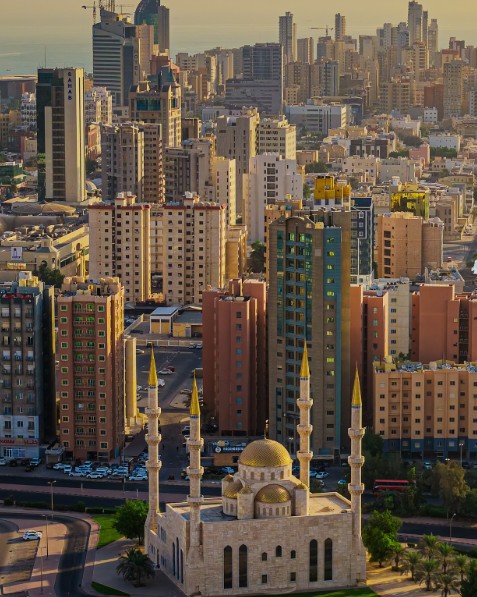
I’ve put together this step-by-step guide to help you find the right home while avoiding common mistakes.
Step 1: Define Your “Must-Haves”
Step 2: Where to Look (My Preferred Methods)
Step 4: The Legal Rules (Read Before Signing)
Step 5: The “No-Surprises” Final Checklist
Step 6: The tool of “Financial Reality Check”
After living in Kuwait for 20 years, I have seen the rental market change from simple newspaper ads to the digital platforms we use today. Whether you are new to the country or just looking for a better place to live, the process can feel overwhelming.
Step 1: Define Your “Must-Haves”
Before you start searching, don’t just look at the price. Think about your daily routine:
- Location: Is it close to your workplace? Traffic in Kuwait is real, and spending two hours on the road every day will drain you.
- Area Vibe: Areas like Salmiya are great for social life and convenience, while Jabriya or Hawally offer a mix of affordability and central access.
- Lifestyle: Do you need a gym or pool? If you have children, check the proximity to schools. If you are a bachelor, check if the building has specific rules for single residents.
Here is my personal breakdown of 10 popular areas for expats, categorized by their “vibe” and features:
1. Salmiya
- The Vibe: The most “cosmopolitan” area. It is non-stop, vibrant, and packed with life.
- Best For: Young professionals and those who want to be in the center of the action.
- Features: Marina Mall, beautiful seaside walking paths (Gulf Road), and endless restaurant choices. You don’t need a car to reach most daily needs here.
2. Salwa
- The Vibe: Peaceful, leafy, and upscale. It is a suburb that feels like a family-oriented village.
- Best For: Families who want privacy and a tight-knit community feel.
- Features: Large villas, quiet streets, proximity to international schools, and easy access to the seaside.
3. Jabriya
- The Vibe: The “bridge” between the city and the southern suburbs. It is very central.
- Best For: Medical professionals and families, as it is close to major hospitals and schools.
- Features: A mix of older villas and modern apartments. It is extremely well-connected to every major highway.
4. Hawally
- The Vibe: Fast-paced, bustling, and highly multicultural.
- Best For: Budget-conscious expats and those who want to be close to everything.
- Features: Famous for its “electronic markets” and traditional souqs. It is one of the most affordable places to live in central Kuwait.
5. Mahboula
- The Vibe: A newer, high-density residential area that is very popular with younger expats.
- Best For: Singles and young couples looking for modern tower living at a lower price point.
- Features: Many high-rise apartment towers, beach access, and a wide variety of casual dining and cafes.
6. Fintas
- The Vibe: A quieter, more “organized” version of Mahboula. It’s slightly further south but offers a better quality of life for the price.
- Best For: People working in the oil or industrial sectors in the south.
- Features: More modern residential buildings, good highway access, and a more relaxed pace.
7. Al Ahmadi
- The Vibe: The “Historical Oil Town.” It has a unique, green, grid-layout feel that is totally different from the rest of Kuwait.
- Best For: Those who want a “Western-style” quiet life with lots of parks and gardens.
- Features: Quiet streets, mature trees, and a very strong sense of community. It’s far from the city but a great place to settle down.
8. Mangaf
- The Vibe: A coastal residential area that has grown rapidly.
- Best For: Expats looking for a balance between affordability and proximity to the beach.
- Features: It’s a very popular area for families, with many parks and easy access to shopping centers.
9. Kuwait City (Al Asimah)
- The Vibe: The beating heart of the country. High-end, professional, and full of skyscrapers.
- Best For: Career-focused individuals who want to live near the office.
- Features: Luxury towers, government offices, high-end shopping, and the most modern amenities in the country.
10. Abu Halifa
- The Vibe: A laid-back, coastal area that is becoming increasingly popular.
- Best For: Those who want sea views without the extreme price tag of the city center.
- Features: Great access to the beach and a growing number of modern apartment complexes.
My personal recommendation: If you are a newcomer, Salmiya or Jabriya are the easiest places to start. They offer the most flexibility, the best access to services, and the easiest way to meet other expats while you get settled.
Step 2: Where to Look (My Preferred Methods)
Online apps are great, but the “old school” way still works best in Kuwait.
- Online Apps: Use 4Sale, OpenSooq, or Sakan. These are the most active platforms. Use the filters to set your budget so you don’t waste time on properties you can’t afford.
- The “Haris” Method: This is my secret tip. If you see a building you like, drive there. Every building has a Haris (caretaker). Walk up to him and ask, “Fi ghurfa/shiqqa fadhiya?” (Is there an empty room/flat?). They often know about apartments before they are even posted online.
Step 3: Inspect Like a Pro
Never pay a single Dinar until you see the flat in person. Photos online can be years old or heavily edited.
- The AC Test: This is the most important rule in Kuwait. Turn on every AC unit. If they rattle, leak, or don’t cool quickly, imagine how you’ll feel in July.
- Water Pressure: Check the taps in the kitchen and the bathroom.
- The Walkthrough: Take your phone and record a video of the walls, floors, and ceiling. Point out any existing cracks or stains to the landlord before you move in. This prevents them from blaming you for it when you eventually move out.
- The “Drainage” Test: Kuwaiti buildings can sometimes have old piping. I always run the water in the sink and the shower at the same time and watch how fast it drains. If the water pools up or gurgles, you’re looking at a future plumbing headache.
- Check the Paint and Walls: Look closely at the bottom of the walls and around the window frames. If you see peeling paint or dark, bubbly spots, that is a sign of water seepage or humidity issues. In a place as hot as Kuwait, you do not want to be dealing with constant dampness or mold.
- Open Every Cabinet and Drawer: It sounds silly, but I always open every single kitchen cabinet and closet door. I’m looking for two things: are the hinges loose (a sign of a lazy landlord who doesn’t do maintenance), and are there any signs of pests? Don’t be afraid to pull a drawer all the way out to check the back corners.
- Test the Light Switches: I flip every switch in the house. It’s common for a few to be faulty in older apartments. If I find three or four broken switches, I know the electrical work in the apartment probably hasn’t been checked in a long time.
- The “Traffic” Sound Test: Visit the apartment during the day, not just at night. I always stand in the bedroom for a minute with the windows closed to hear how much street noise gets in. Some areas in Kuwait are very peaceful at 9:00 PM but become incredibly noisy and busy during the morning rush hour.
- Check the Water Heater: Find where the water heater is located. If it’s an old, rusty unit tucked away in a tiny cupboard, ask how old it is. A leaking water heater is a classic “middle of the night” emergency in Kuwait that you definitely want to avoid.
- Look for “Patchwork” Repairs: If you see large patches of fresh paint in only one small corner of the wall or ceiling, it might mean the landlord is hiding a previous leak. Ask them, “Why was this part painted recently?” and watch their reaction. Their answer—or lack thereof—usually tells you everything you need to know.
- One last personal tip: If you are visiting an apartment that is still occupied by the current tenant, be polite, but don’t be afraid to ask them, “How is the landlord with maintenance?” They are usually honest and will tell you if the landlord is quick to help or if they ignore calls for weeks. That one question has saved me from moving into a “problem building” more than once.
Step 4: The Legal Rules (Read Before Signing)
Rental laws are there to protect you. Don’t be shy about asking questions.
- The Contract: Ensure the contract is in writing. Even if the landlord gives you an English version, remember that only the Arabic version is legally binding in a Kuwaiti court.
- Rent Protection: Under current law, your rent cannot be increased for 5 years after you start your contract, provided you keep renewing it on time.
- Security Deposit: It is standard to pay one month’s rent as a deposit. Always get a receipt. Never pay cash without a signed paper or a formal message confirming the amount and purpose.
- Notice Period: Most contracts require a 2-month notice before you move out. If you leave without notice, you will almost certainly lose your security deposit.
Step 5: The “No-Surprises” Final Checklist
- [ ] Utility Bills: Confirm if electricity and water are included (they usually are, but check the contract). Also, ask if the building has its own generator for the elevators or hallways during power cuts—it’s rare, but a lifesaver in older buildings.
- [ ] Maintenance: Ask exactly who to call if a pipe bursts at 2:00 AM. Is it the Haris, or do you have to find your own plumber? If it’s the latter, ask the landlord to provide you with the contact details of a reliable technician before you move in.
- [ ] Parking: Is a parking spot guaranteed? Some buildings have limited space, and you don’t want to fight for a spot on the street every evening. If the building has “assigned” spots, make sure yours is easily accessible and not blocked by someone else’s vehicle.
- [ ] The “Move-In” Trash: Where is the designated waste disposal area? In some buildings, you have to take it to a dumpster down the street, while others have a chute. Knowing this helps you get settled immediately.
- [ ] Internet Readiness: Don’t assume that because a building is modern, it’s fiber-ready. Ask if the apartment is pre-wired for Fiber or 5G. I’ve seen apartments where you aren’t allowed to drill holes for cables, which makes installing high-speed internet a nightmare.
- [ ] Safety & Security: Where is the fire extinguisher located, and when was it last serviced? Also, check if there is a main building security camera. It’s a great deterrent for theft and gives you extra peace of mind.
- [ ] The “Haris” Communication: Get the Haris’s direct WhatsApp number. It is the most important “service contact” you will ever have. Save it under “Building Maintenance” so you can send photos of issues immediately rather than trying to explain them over the phone.
- [ ] Guest Policy: Check if there are any specific rules about guests or deliveries. Some high-security compounds have strict check-in processes for visitors, and you’ll want to know those rules before your friends or a delivery driver shows up.
- [ ] Storage: Does the apartment come with an extra storage cage or locker in the basement? If you’re living in a smaller flat, that extra space for suitcases or seasonal items is pure gold.
- [ ] The Final Walkthrough (One Last Time): Before the landlord leaves, do one final tour. Check that the fridge is cooling, the water is hot, and the main door lock is smooth. If something isn’t right, point it out before the landlord walks out that door.
Step 6: The “Financial Reality Check”
Finding the perfect apartment is only half the battle; you need to make sure your rent fits comfortably within your overall budget. In Kuwait, it’s easy to get caught up in the excitement of a new home and forget about the “hidden” monthly costs like utilities, transportation, and savings goals.
Before you finalize your rental agreement, I always recommend running your numbers through a proper calculator. It helps you see how much you’ll actually have left at the end of the month after your rent and bills are paid.
- Why this matters: A good rule of thumb is that your rent shouldn’t consume more than 25%–30% of your total monthly income. If it goes higher, you might find yourself feeling “house poor” very quickly.
How to use it:
- Enter your monthly salary.
- Input your expected rent.
- Add your estimated costs for food, transport, and leisure.
- See exactly how much you can realistically save each month.
Personal Advice: Don’t look at your “ideal” rent in isolation. Look at it alongside your savings goals. Using this calculator took the guesswork out of my own budget, and it helped me realize that choosing a slightly more affordable apartment in a different area allowed me to save significantly more for the long term.
A Final Piece of Advice
After 20 years here, I’ve learned that the best rentals in Kuwait are found through patience and clear communication. Build a friendly relationship with the Haris and be honest with the landlord. If a landlord refuses to provide a formal contract or seems “shady” about the terms, walk away. There is always another apartment waiting for you.
Happy house hunting! If you have any specific questions about a neighborhood, feel free to ask in comments :
- Filipino man gets 5 years prisoner in Kuwait

- Houthi missile debris over Riyadh injures 4, damages 15 homes
- A citizen posted a video of a bike rider.

- Kuwait dog owners must now get licence, metal tag or face fine

- Native desert plants to Jaber Mall gardens

- Pakistan orders smart scanners to end airport baggage hassles

- New school dress code in Azerbaijan bans hijabs, sets off protests

- 4 Indians Still in ICU as Riyadh Flight Bans Extended to Oct 17

- Jeddah Tower vs Burj Khalifa: who wins the height race?

- New Rule Lets Staff Open Your Bag Without You Present

Latest News
 Local
Filipino man gets 5 years prisoner in Kuwait
Local
Filipino man gets 5 years prisoner in Kuwait
 2
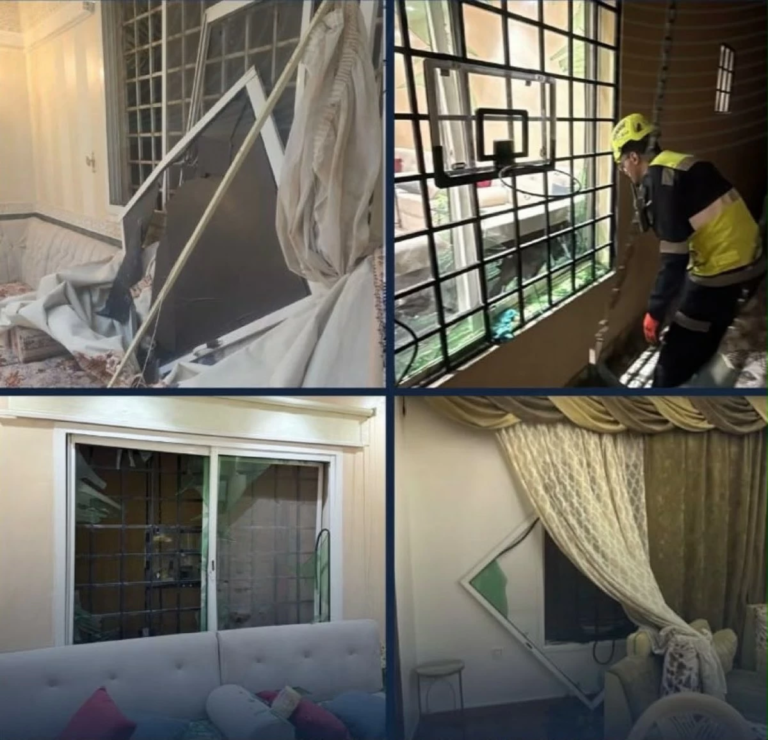
International Houthi missile debris over Riyadh injures 4, damages 15 homes
Read more →
2
International Houthi missile debris over Riyadh injures 4, damages 15 homes
Read more →
 3
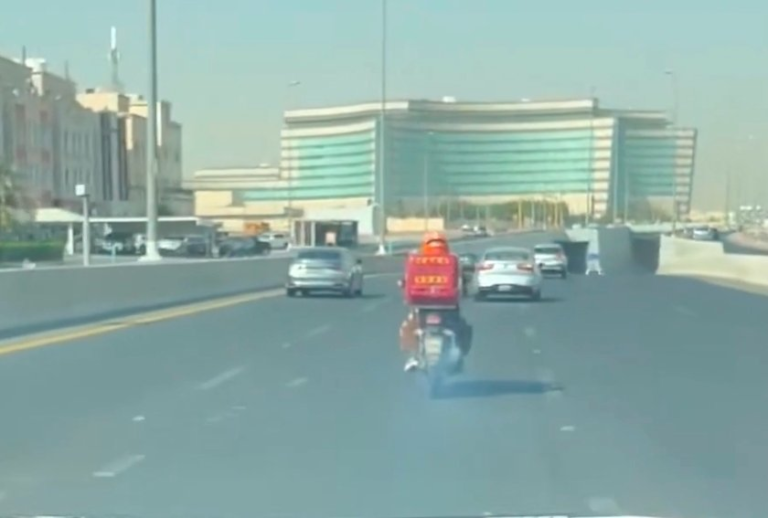
Local A citizen posted a video of a bike rider.
Read more →
3
Local A citizen posted a video of a bike rider.
Read more →
 4
Local Kuwait dog owners must now get licence, metal tag or face fine
Read more →
4
Local Kuwait dog owners must now get licence, metal tag or face fine
Read more →
 5
Local Native desert plants to Jaber Mall gardens
Read more →
5
Local Native desert plants to Jaber Mall gardens
Read more →
 6
International Pakistan orders smart scanners to end airport baggage hassles
Read more →
6
International Pakistan orders smart scanners to end airport baggage hassles
Read more →
 7
International New school dress code in Azerbaijan bans hijabs, sets off protests
Read more →
7
International New school dress code in Azerbaijan bans hijabs, sets off protests
Read more →
 8
International 4 Indians Still in ICU as Riyadh Flight Bans Extended to Oct 17
Read more →
8
International 4 Indians Still in ICU as Riyadh Flight Bans Extended to Oct 17
Read more →
 9
International Jeddah Tower vs Burj Khalifa: who wins the height race?
Read more →
9
International Jeddah Tower vs Burj Khalifa: who wins the height race?
Read more →
 10
International New Rule Lets Staff Open Your Bag Without You Present
Read more →
10
International New Rule Lets Staff Open Your Bag Without You Present
Read more →
 11
International Why Gulf Workers Still Hide Mental Health Struggles at Work
Read more →
11
International Why Gulf Workers Still Hide Mental Health Struggles at Work
Read more →
 12
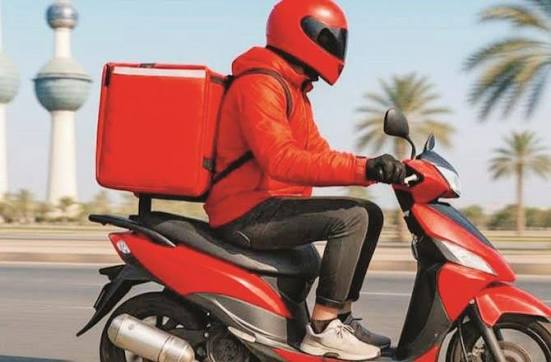
Local New Traffic Crackdown on Delivery Riders Starts 18 October in Kuwait
Read more →
12
Local New Traffic Crackdown on Delivery Riders Starts 18 October in Kuwait
Read more →
 13
International Bride and her Lover Held Over Groom’s Death 10 Days After Wedding
Read more →
13
International Bride and her Lover Held Over Groom’s Death 10 Days After Wedding
Read more →
 14
International 18 people dead – Riyadh Airport Shutdown Extended
Read more →
14
International 18 people dead – Riyadh Airport Shutdown Extended
Read more →
 15
International India’s Embassy Confirms Death of Citizen Hurt in Riyadh Blast
Read more →
15
International India’s Embassy Confirms Death of Citizen Hurt in Riyadh Blast
Read more →
Comments
One response to “How to Find and Rent an Apartment in Kuwait in 6 steps: A 20 Years Resident’s Guide 2026”
abroadstory travel story abroadstory travel story abroadstory travelstory travel story travelstory story